
Watching a family member grow older is a profound and deeply moving human experience. It is a period often filled with rich storytelling, quiet reflection, and a deep appreciation for the lifetime of guidance they have provided. However, the aging process also brings inescapable physiological and cognitive shifts that can slowly chip away at an individual’s independence. For children, spouses, and relatives, recognizing that an aging parent or partner can no longer safely manage the logistics of daily life on their own is a heavy emotional crossroads. It is a moment often clouded by intense feelings of guilt, anxiety, fear of the unknown, and a protective desire to honor their dignity at all costs.
The process of transitioning an aging relative into a more supportive environment is not a single, isolated event; it is a complex, delicate emotional journey that requires deep empathy, structural organization, and absolute logistical clarity. Many families make the mistake of waiting for a medical emergency—such as a catastrophic fall, a dangerous medication mix-up, or a wandering episode—before actively exploring their options. Executing a major lifestyle shift during an active crisis significantly amplifies stress for everyone involved and often limits your choices. To ensure a smooth, comfortable transition that preserves your relative’s emotional well-being and physical safety, you must implement a proactive, sequential strategy that matches their evolving needs with the right level of support.
Initial Assessment: Evaluating Independence and Early Support at Home
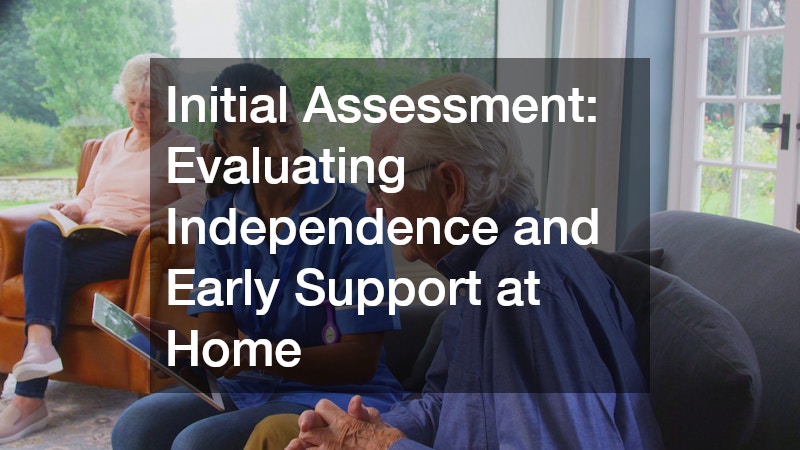
The first phase of a successful care transition involves stepping back to conduct an objective, clear-eyed evaluation of your relative’s daily realities. The goal is to identify where they are thriving and where gaps in their safety net are beginning to appear.
Identify Subtle Behavioral and Physical Changes
Because many older adults value their independence above all else, they will often go to great lengths to hide their mounting daily struggles from their families. Homeowners and relatives must look past verbal assurances and observe actual behavioral and environmental indicators.
- Cognitive Slippage: Notice if there are uncharacteristic piles of unpaid bills, missed appointments, or expired, untouched food accumulating in the pantry.
- Physical Deterioration: Monitor for sudden, unexplained weight loss, poor personal grooming habits, wearing the same clothes for multiple days, or minor, unexplained bruises that suggest recent unreported stumbles.
- Environmental Neglect: Look for a slow decline in household cleanliness, such as scorched pots and pans, untended gardens, or an inability to manage basic housekeeping chores.
Introduce Low-Impact Specialized Support Systems
If your relative is firmly attached to their house but needs assistance with basic errands, meal preparation, or structural organization, you do not need to uproot them immediately. Introducing small, manageable layers of assistance can comfortably bridge the gap.
- Normalize External Assistance: Present the introduction of assistance as a luxury lifestyle service designed to handle heavy chores, rather than a loss of personal autonomy.
- Establish a Basic Routine: Initiating foundational care through professional home care services allows a companion to step in for a few hours a week to manage grocery shopping, prepare nutritious meals, and provide valuable social engagement.
- Utilize Geographically Close Networks: Sourcing this initial aid through reputable local home care agencies ensures that your loved one forms a bond with consistent, geographically close professionals who can quickly respond to minor household needs while keeping them safe in a familiar neighborhood environment.
Escalating Care Levels: Navigating Complex Medical Needs
As time moves forward, an individual’s care needs can quickly shift from basic household assistance to specialized clinical monitoring. Recognizing this turning point early prevents minor health regressions from turning into major medical emergencies.
Distinguish Between Non-Medical Assistance and Clinical Care
It is vital to understand that companion care and housekeeping services are strictly non-medical. If your aging relative is diagnosed with a progressive chronic illness, is recovering from a major surgery, or requires complex physical therapy, general assistance will no longer suffice.
- Monitor Medical Compliance: Watch for an inability to organize complex, multi-tiered prescription schedules or an inability to properly monitor vital baseline statistics like blood sugar or blood pressure.
- Evaluate Mobility Limitations: Take note if transfer struggles—such as moving from a bed to a walker or navigating a bathroom shower—reach a point where a single untrained family member can no longer handle the physical weight safely.
Onboard Specialized Clinical Teams
When your loved one’s physical health demands structured clinical oversight, you must integrate licensed medical professionals into their daily care routine.
- Bring the Clinic into the Home: You can avoid the stress of constant, exhausting trips to a doctor’s office by modifying your home environment to support professional medical staff.
- Secure Skilled Medical Aid: Arranging for targeted home health care ensures that licensed nurses, physical therapists, and speech pathologists can visit the property directly to manage wound care, administer injections, and track vitals.
- Coordinate 24/7 Monitoring Baseline: If their condition requires continuous, around-the-clock safety supervision and complex clinical tracking, transitioning your strategy toward specialized local senior home care options provides an impenetrable safety net, giving your family complete peace of mind while keeping your relative comfortable.
Choosing Residential Environments: Finding the Right Community Structure
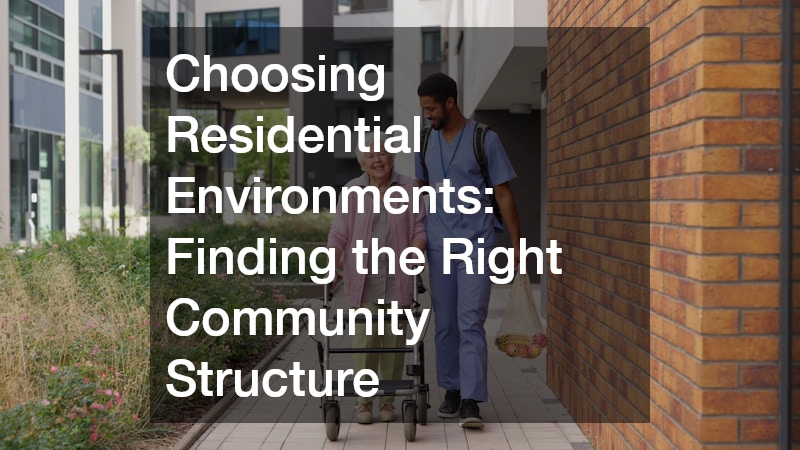
There frequently comes a point where maintaining a private home becomes physically isolating or economically impractical. Shifting focus toward a structured residential community can open up an exciting new chapter of social engagement and comprehensive safety.
Match Lifestyle Preferences With Group Housing Models
The modern senior living landscape has moved far away from the sterile, institutional nursing facilities of the past. Today, residential environments are designed as vibrant, active communities that prioritize lifestyle fulfillment alongside safety.
- Combat Social Isolation: Group environments offer built-in community spaces, organized group outings, educational seminars, and fitness classes that actively counter the severe cognitive and physical health risks associated with senior loneliness.
- Evaluate Safety Architecture: Look for structural benefits built into modern communities, such as wide, zero-step corridors, ambient lighting grids, emergency call buttons, and fully accessible bathroom architectures.
Vet Professional Staffing Frameworks
The overall quality of any residential facility is entirely defined by the compassion, training, and stability of its frontline staff.
- Analyze Interaction Warmth: During your physical tours of any facility, ignore the shiny lobby and focus heavily on how the staff interacts with the current residents. Look for genuine smiles, patient communication, and unhurried eye contact.
- Confirm Specialized Vetting: Partner with an organization that prides itself on employing a highly trained senior care service staff that undergoes regular background screenings and continuous education in modern geriatric care techniques.
- Build Strong Frontline Alliances: Cultivating an open, transparent relationship with the frontline caregivers allows you to stay closely informed about your relative’s subtle behavioral shifts, appetite changes, and daily emotional triumphs.
Advanced Residential Care: Selecting High-Level Independent Living
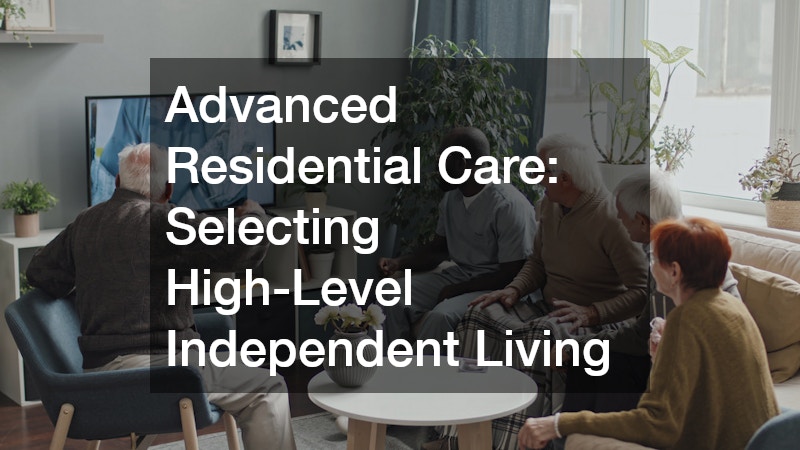
For seniors who no longer wish to manage home maintenance but still retain a high level of cognitive and physical autonomy, modern independent senior apartments with localized aid offer an exceptional solution.
Prioritize Vibrant Social Frameworks Combined With Daily Assistance
Independent living environments with optional daily care models allow your relative to maintain their own private apartment while enjoying the comfort of managed hospitality services.
- Emphasize Balanced Independence: Residents can cook their own meals if they choose, or dine with peers in restaurant-style dining rooms, maintaining a high sense of personal control.
- Verify Service Integration: Ensure that laundry services, weekly housekeeping, local medical transportation, and basic medication reminders are fully integrated into the community’s standard service contract.
Audit Local Facility Ecosystems
Choosing the ideal residential community requires looking past marketing materials and contrasting multiple environments based on localized feedback and concrete lifestyle metrics.
- Prioritize Daily Autonomy: Selecting an elite community that delivers structured assisted living amenities guarantees that your loved one receives personalized help with dressing, bathing, and mobility without feeling institutionalized.
- Conduct Methodical Comparisons: Take the time to physically tour and audit multiple local assisted living communities within your target area. Spend time talking with the families of current residents, tasting the food options, and analyzing the overall energy of the community to ensure the environment aligns perfectly with your relative’s unique personality.
Specialized Cognitive Support: Navigating Neurological Care Boundaries
When an aging family member faces progressive cognitive conditions such as Alzheimer’s disease or other forms of dementia, their care requirements cross into a highly specialized realm that standard living environments are simply not built to handle.
Recognize the Unique Demands of Progressive Dementia
Dementia creates unique behavioral patterns—such as severe disorientation, sundowning syndrome, and a tendency to wander—that present major safety hazards in an open environment.
- Prioritize Environmental Security: Specialized cognitive environments utilize advanced architectural configurations, such as keypad-secured exit doors, circular walking paths that prevent frustration, and enclosed, safe outdoor gardens.
- Focus on Sensory Management: Look for communities designed to minimize stress by avoiding loud overhead intercoms, harsh fluorescent lighting, and chaotic dining rooms that can easily trigger intense confusion or anxiety in a memory-compromised individual.
Secure Targeted Behavioral Infrastructure
Transitioning a relative dealing with progressive cognitive decline requires a team that understands how to communicate with them on an emotional level rather than relying on logic.
- Validate the Individual’s Reality: Seek out communities where the staff is thoroughly trained in validation therapy, joining the resident in their current mindset rather than causing distress by trying to force them back to the present day.
- Preserve Daily Dignity: Moving your family member into a dedicated, highly secure memory care community ensures they participate in specialized cognitive exercises, music therapy programs, and structured daily routines tailored to clear confusion and lower anxiety, preserving their dignity throughout every stage of their condition.
Holistic Community Integration: Finding Long-Term Peace of Mind
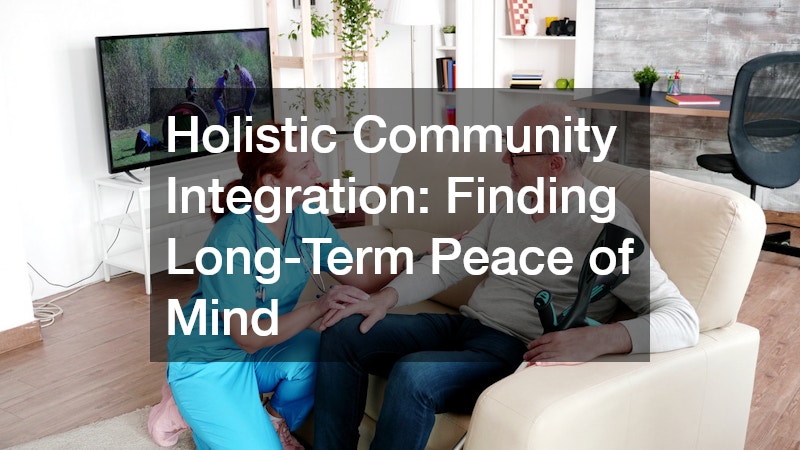
The physical move-in day is not the end of the transition journey; it is the beginning of a vital adaptation phase for both the senior and your entire family ecosystem.
Manage the Emotional Logistics of Move-In Day
The initial weeks following a move into a senior care community can be emotionally volatile as your relative adjusts to a new physical layout and a new social routine.
- Replicate a Familiar Environment: Decorate their new private room using their favorite familiar furniture pieces, family photo galleries, and sentimental items arranged identically to their old bedroom layout to provide instant comfort.
- Establish Structured Visitation Loops: Create a predictable, consistent family visitation schedule so your relative knows exactly when to expect you, while consciously giving them the necessary time and space to bond with their peers and form new friendships.
Establish Roots in an All-Inclusive Environment
To minimize the trauma of future moves, many families find immense value in selecting communities that can adapt smoothly as their relatives’ physical needs evolve over time.
- Age in Place Safely: Look for a comprehensive, multi-tiered elder care community that houses independent apartments, specialized spaces, and skilled clinical wings all on a single centralized campus.
- Stay Active in the Family Ecosystem: Participate fully in the community’s family support groups, holiday celebrations, and volunteer councils. Staying deeply connected to the community’s social fabric ensures you remain a vital advocate for your loved one, cementing your long-term peace of mind.
Conclusion
Guiding an aging relative through a transition into a professional care environment is one of the ultimate expressions of family love, respect, and stewardship. While the journey is inevitably accompanied by emotional challenges, approaching the process with a methodical, proactive strategy eliminates the panic that so often derails these vital lifelines. By taking the time to implement early home assistance, audit specialized medical support, and choose residential settings that prioritize lifestyle dignity over clinical containment, you successfully protect your relative’s physical safety and psychological peace of much-deserved comfort.
The ultimate value of this structured transition is realized when the heavy burden of daily logistics is lifted off your shoulders. When you hand the exhaustive demands of physical management over to a trusted network of verified professionals, you reclaim a priceless gift: the ability to step back into your true family role. You are no longer an exhausted, stressed coordinator of medications, meals, and safety checks; you are simply a loving son, daughter, or devoted spouse once again. By making these critical decisions with a clear heart and thorough research, you open up a safe, dignified, and beautifully supported new chapter of life where your loved one can comfortably thrive for years to come.

