

Choosing the right care environment for a young child is one of the most important decisions a family can make. The setting not only influences daily well-being but also shapes early learning, social development, and long-term confidence. With so many options available, it can be difficult to determine what truly separates a high-quality program from the rest. Families searching for reliable support often begin by evaluating their priorities, schedules, and expectations for early education. When exploring options for local child care, it becomes essential to look beyond convenience and consider the deeper qualities that contribute to a safe, supportive, and enriching environment.
A careful comparison of available providers often reveals meaningful differences that are not immediately visible at first glance.
1. Licensing, Safety Standards, and Physical Environment
One of the first and most critical factors to evaluate is whether a provider meets state licensing requirements and maintains strong safety standards. Licensing ensures that the program follows established regulations regarding staffing ratios, facility cleanliness, emergency preparedness, and caregiver qualifications. This baseline compliance is a non-negotiable starting point for narrowing down options.
Beyond licensing, the physical environment should feel secure, well-maintained, and designed with children in mind. Entry points should be controlled, play areas should be free of hazards, and equipment should be regularly inspected. Outdoor spaces also matter, as they should allow for safe exploration and active play under appropriate supervision.
Equally important is the staff’s approach to safety in daily routines. Caregivers should demonstrate consistent supervision, clear protocols for emergencies, and an understanding of age-appropriate risk management. These elements work together to create a foundation of trust for families considering any early care setting. Consistency in safety practices over time is often what distinguishes dependable programs from those that fall short.
2. Educational Approach and Care Philosophy
Every program operates with a unique philosophy that shapes how children learn, interact, and grow. Some centers emphasize structured academic preparation, while others prioritize play-based exploration or a blended approach. Understanding this philosophy helps families determine whether it aligns with their child’s temperament and developmental needs.
High-quality programs are intentional about how they support cognitive, emotional, and social development. Activities should not only keep children engaged but also encourage curiosity, problem-solving, and collaboration. Caregivers should be trained to guide learning experiences in ways that feel natural rather than forced.
For families comparing options, consistency between a program’s stated philosophy and its daily practices is key. This is especially important when selecting local child care, as proximity makes it easier for parents to stay engaged and observe whether the environment truly reflects its educational promises. Open communication about curriculum and developmental goals is a strong indicator of a thoughtful, well-run program. Over time, this alignment between philosophy and practice can significantly influence a child’s comfort and growth within the setting.
3. Communication, Accessibility, and Daily Operations
Strong communication between caregivers and families is essential for building long-term trust. Providers should offer clear updates about a child’s day, including meals, activities, behavior, and developmental progress. Whether through digital reports, daily conversations, or scheduled meetings, transparency helps parents stay informed and confident.
Accessibility also plays a major role in the overall experience. This includes practical considerations such as hours of operation, enrollment availability, and flexibility for working families. A program may be ideal in philosophy and environment, but if its schedule does not align with a family’s needs, it may not be a sustainable option.
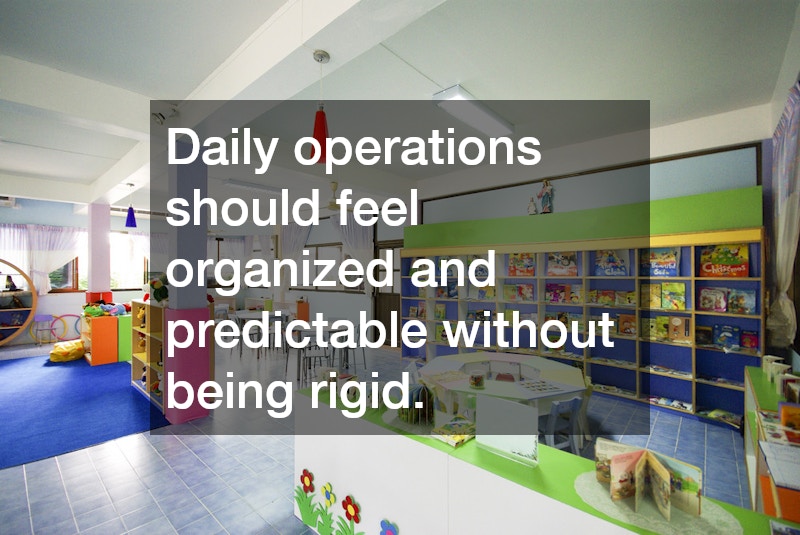
Daily operations should feel organized and predictable without being rigid. Smooth drop-off and pick-up procedures, consistent routines, and responsive staff all contribute to a sense of stability. When communication and logistics are handled effectively, families are better able to partner with caregivers in supporting a child’s development. Reliable coordination in day-to-day processes often becomes one of the most appreciated aspects of a well-run program.
Selecting the right care setting requires careful attention to safety, educational philosophy, and day-to-day communication practices. Each of these elements plays a significant role in shaping a child’s early experiences and overall development. Families who take the time to evaluate these factors are more likely to find a supportive environment that meets both practical needs and long-term goals. For those exploring local child care, focusing on these core considerations can help ensure a thoughtful match that supports both the child and the family with confidence and consistency.

