

A home is more than a structure—it’s the environment where your family rests, recharges, and builds daily routines. When that environment feels unstable, unsafe, or constantly in need of urgent attention, stress naturally follows. Small issues become background worries. Bigger problems disrupt sleep, schedules, and emotional balance. Over time, neglected maintenance can quietly erode a family’s sense of security.
Maintaining your property isn’t about chasing perfection or keeping up appearances. It’s about reducing preventable risks, creating predictability, and protecting the mental and physical health of everyone who lives there. When your home functions well, it supports calm mornings, safer play, cleaner air, and fewer emergencies. Thoughtful upkeep becomes an invisible form of caregiving—one that allows families to focus on connection instead of constant problem-solving.
The sections below explore how different areas of property maintenance directly affect family wellbeing, and how practical, proactive decisions can make daily life noticeably easier.
Reducing Outdoor Hazards That Threaten Daily Safety
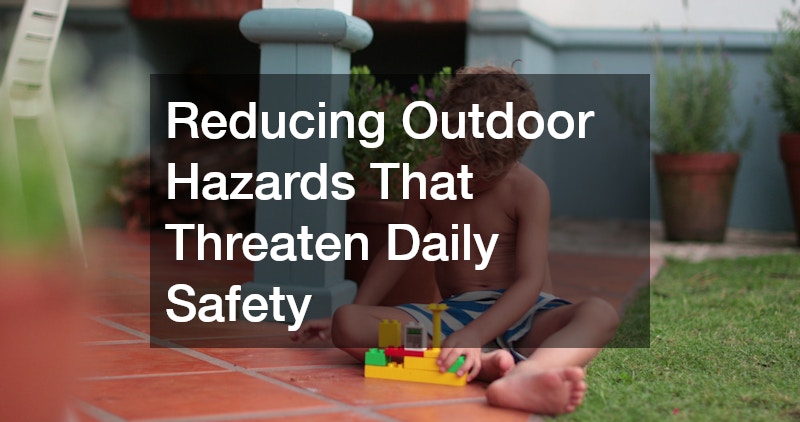
Outdoor spaces often feel low-risk because they’re familiar. Families walk past the same yard features every day, rarely stopping to reassess what’s changed over time. That familiarity can create a false sense of security, where potential hazards blend into the background of daily life. Trees that once felt solid and harmless may slowly weaken due to age, weather exposure, or disease, all without obvious warning signs at first glance.
Unstable branches, damaged trunks, or root systems spreading too close to the home can pose risks during storms, high winds, or even normal playtime. What looks sturdy from a distance may actually be compromised internally. A branch that has partially split can fall without warning. Roots pushing outward can destabilize walkways, patios, or nearby structures. These risks multiply when children climb, pets run freely, or vehicles are parked beneath overhead limbs, turning everyday activities into potential danger zones.
In many households, outdoor risks go unaddressed because they don’t feel urgent—until they suddenly are. Busy schedules, competing priorities, and the assumption that “it’s been fine so far” often delay action. Unfortunately, outdoor accidents tend to be sudden and dramatic, leaving little time to react. Addressing issues early through proper local tree removal can prevent injuries, property damage, and the emotional shock that follows an avoidable accident. Early action often feels inconvenient, but it’s far less disruptive than dealing with the aftermath of a fallen tree or broken limb.
Practical steps families can take include:
- Walking the property after storms to check for hanging or cracked limbs that may not have fully fallen
- Watching for signs of decay, such as hollow spots, fungal growth, or excessive dead branches clustered in one area
- Noticing changes in how a tree leans or how roots are lifting soil, pavement, or nearby structures
- Keeping play areas and seating spaces clear of overhead hazards, even if those hazards seem distant or unlikely
Beyond visual checks, families should also pay attention to changes over time. A tree that sheds an unusual amount of branches each season, drops leaves early, or shows thinning at the top may be signaling deeper structural problems. These gradual changes are easy to miss unless someone intentionally looks for them.
When a situation goes beyond basic trimming, consulting a qualified tree company helps ensure decisions are made with safety, not guesswork. Professionals are trained to spot internal weaknesses that aren’t visible from the outside and can recommend solutions that address the root of the problem rather than offering temporary fixes. This reduces the likelihood of partial solutions that leave families exposed to future danger or repeated stress.
A safer yard does more than prevent accidents. It creates peace of mind. Parents can relax while kids play without constantly scanning for potential hazards. Outdoor gatherings feel enjoyable instead of risky, and everyday activities feel lighter when safety isn’t a lingering concern. Over time, that sense of ease contributes directly to emotional well-being, allowing outdoor spaces to truly function as places of rest, connection, and enjoyment rather than sources of quiet worry.
Protecting Your Home’s Core Systems Before They Become Emergencies
Few things disrupt family life faster than a failure in essential home systems. When water stops flowing properly or waste systems back up, routines collapse instantly. Morning schedules derail, basic hygiene becomes complicated, and simple tasks like cooking or laundry suddenly feel overwhelming. These problems rarely happen at convenient times, which amplifies stress and leaves families scrambling to adapt in the middle of already busy days.
One of the most commonly overlooked systems is the septic setup. Because it’s hidden underground, it’s easy to assume everything is working fine until clear warning signs appear. Unfortunately, by the time those signs become obvious, the situation is often already serious. Slow drains, unusual odors, or pooling water outside are early indicators that something isn’t functioning correctly and shouldn’t be dismissed as minor inconveniences. Left unchecked, these issues can lead to backups that contaminate living areas, create health risks, and require costly repairs that disrupt daily life.
Internal pipe problems follow a similar pattern. A minor drip under a sink or behind a wall may seem harmless at first, but small leaks tend to worsen over time. Moisture can spread into surrounding materials, encouraging mold growth and weakening structural elements. In some cases, families don’t discover the problem until water access is suddenly lost or damage becomes visible. Having a trusted plumbing service available before an emergency occurs can dramatically reduce stress when something does go wrong, allowing families to respond quickly instead of searching for help under pressure.
To protect both systems and sanity, families can:
- Schedule regular inspections rather than waiting for symptoms, ensuring small issues are identified early
- Keep records of past maintenance and repairs so patterns or recurring problems are easier to spot
- Educate household members on what should never go down drains, including grease, wipes, and non-biodegradable items
- Address small changes immediately instead of postponing them, even if the issue seems manageable
Preventative care isn’t just about avoiding inconvenience—it’s about protecting health. System failures can introduce bacteria into the home, contaminate surfaces, and create environments that aren’t safe for children, elderly family members, or anyone with respiratory sensitivities. The emotional impact of dealing with unsanitary conditions can linger long after the repair is complete, especially when families are forced to alter routines or temporarily leave the home.
When these core systems work quietly in the background, families rarely think about them—and that’s exactly the point. Reliable infrastructure supports a sense of normalcy and control, allowing daily life to flow without interruption. Fewer surprises mean fewer disruptions, and fewer disruptions mean a more stable, supportive home environment where families can focus on connection rather than crisis management.
Preventing Water Damage That Disrupts Health and Home Stability
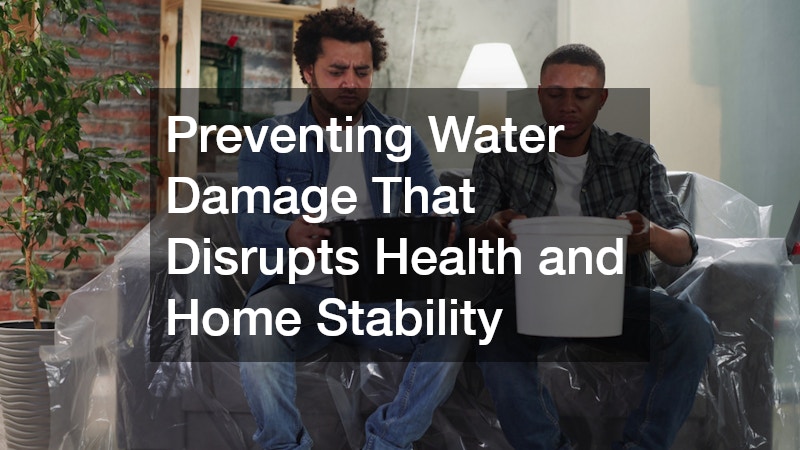
Water problems are uniquely stressful because they spread quickly and affect multiple areas of life at once. A single leak can damage walls, floors, furniture, and personal belongings while also creating health risks through moisture and mold.
Many families only think about water damage after a visible incident, but early warning signs often appear long before a major problem. Discoloration on ceilings, peeling paint, or unexplained humidity can signal deeper issues that deserve attention.
The roof plays a central role in protecting the home from these problems. Delaying roof replacement when warning signs appear can expose families to recurring leaks and ongoing anxiety every time it rains. Addressing structural vulnerabilities early reduces the chance of sudden displacement or emergency repairs.
When water intrusion does occur, timely water restoration is essential—not just to save the structure, but to protect indoor air quality and overall health.
Families can reduce water-related stress by:
- Inspecting ceilings, attics, and crawl spaces seasonally
- Acting quickly when stains or damp smells appear
- Maintaining gutters and drainage to prevent pooling near the foundation
- Treating moisture issues as health concerns, not cosmetic ones
Unchecked moisture can contribute to respiratory problems, headaches, and fatigue, particularly in children. By managing water risks proactively, homeowners protect both physical well-being and emotional comfort.
A dry, stable home supports better sleep, cleaner air, and a sense of safety that allows families to fully relax within their space.
Keeping Living Spaces Clean Without Sacrificing Family Time
Clean environments have a powerful psychological effect. When exterior and shared spaces feel neglected, that sense of disorder often spills into daily life, making everything feel heavier and harder to manage. Cluttered or dirty surroundings can subtly increase stress, even when family members can’t immediately pinpoint why they feel overwhelmed. Over time, visual chaos outside the home can affect motivation, patience, and the overall mood inside it.
Exterior buildup—mold, grime, algae, and pollutants—can affect walkways, patios, siding, and play areas. These surfaces aren’t just visual concerns; they can become slippery, unsanitary, or allergen-heavy. Families may find themselves avoiding outdoor areas they once enjoyed, limiting playtime or social gatherings because the space no longer feels comfortable or safe. In some cases, buildup can also accelerate wear on materials, leading to repairs that could have been avoided with routine care.
Many homeowners try to tackle everything themselves, but there’s a fine line between productive effort and burnout. Attempting to clean every surface at once can quickly turn into an exhausting weekend that leaves little energy for rest or family time. Using the right tools, such as a pressure washer, can make cleaning more efficient when handled properly, allowing homeowners to refresh large areas in less time. However, improper use can damage surfaces or create safety risks. In other cases, a professional pressure cleaning service may save time, energy, and prevent accidental damage, especially for multi-story homes or delicate materials.
To maintain cleanliness without overwhelming the household:
- Focus on high-impact areas first, such as entrances and gathering spaces that affect daily use
- Set seasonal cleaning goals instead of constant upkeep, creating a predictable rhythm
- Avoid turning maintenance into an all-or-nothing project by spreading tasks over time
- Choose methods that fit your family’s time and energy levels, rather than forcing unrealistic expectations
Clean spaces support clearer thinking, lower stress, and a greater sense of control. When families can step outside without worrying about slippery surfaces or unsightly buildup, outdoor areas become extensions of the living space rather than chores waiting to be addressed. Realistic maintenance routines help prevent resentment toward upkeep and reduce the mental load associated with home care.
The goal isn’t perfection—it’s creating an environment that feels cared for and easy to live in. When cleanliness supports comfort instead of demanding constant attention, it becomes a quiet contributor to wellbeing rather than another source of pressure.
Managing Large Home Projects Without Uprooting Family Life

Major home projects can quickly turn daily routines upside down. Noise, debris, clutter, and displaced belongings all add to mental fatigue, especially when projects drag on longer than expected.
One of the biggest stressors during repairs or renovations is the loss of usable space. When belongings pile up or rooms become inaccessible, families feel crowded and unsettled. Planning for waste removal with a roll off dumpster helps keep work areas contained and reduces the sense of chaos.
Similarly, using a mobile storage container allows families to temporarily relocate items without sacrificing access or safety. Clearing space strategically helps preserve normal routines, which is especially important for children.
To keep projects from overwhelming family life:
- Define clear work zones separate from living areas
- Maintain at least one calm, clutter-free space in the home
- Set realistic timelines and communicate them to everyone involved
- Prioritize safety by keeping tools and debris secured
Order and predictability matter during times of disruption. When families can still cook meals, relax, and sleep comfortably, projects feel manageable instead of exhausting.
Thoughtful planning turns necessary home improvements into temporary adjustments rather than long-term stressors.
A Calmer Home Supports a Healthier Family
Property maintenance isn’t just about protecting an investment—it’s about protecting the people who live inside it. Each proactive choice reduces uncertainty, minimizes emergencies, and creates an environment where families can focus on living rather than reacting.
When outdoor spaces feel safe, systems run reliably, moisture is controlled, and projects are managed thoughtfully, the home becomes a source of stability instead of stress. Over time, that stability supports better health, stronger routines, and deeper peace of mind.
Caring for your property is ultimately an act of care for your family. With consistent attention and intentional planning, your home can quietly support wellbeing every single day.

