

Moving into a new home marks the start of a fresh chapter — but it can also feel overwhelming, especially when it’s your first time coordinating all the details. Between packing, scheduling, budgeting, and dealing with unexpected challenges, many people quickly realize that learning how to prepare for a move isn’t just about boxes and tape. It’s about creating a plan that protects your belongings, reduces stress, and keeps your timeline on track.
This guide breaks down the entire process into manageable steps, making it easier to stay organized and confident from day one. We’ll walk through planning, packing, cleaning, logistics, and more — while also covering useful services and practical tools that many first-timers don’t realize they need until it’s too late. Whether you’re moving across town or across the country, the goal is simple: help you approach your move the smart way and avoid costly mistakes. With clear guidance, even first-time movers can feel in control, make informed decisions, and turn a stressful transition into a smooth, well-organized experience from start to finish.
Creating a Realistic Timeline and Budget
If you’re figuring out how to prepare for a move, the smartest starting point is your calendar and your wallet. A realistic timeline helps ensure you don’t rush through critical tasks, while a thoughtful budget prevents financial surprises. Begin by listing every major step: booking help, gathering supplies, packing rooms, transferring utilities, and planning move-day transportation. Assign target dates to each task and leave room for delays, because almost every move encounters at least one hiccup.
A budget works the same way. Separate costs into categories: packing supplies, truck or equipment rentals, cleaning, deposits, and any professional assistance you may need. Factor in meals for moving day, possible storage, and emergency funds for last-minute purchases. Many first-time movers forget about post-move expenses, such as replacing damaged items or buying necessities for the new place.
This is also when you should compare options for moving services. Even if you plan to handle most tasks yourself, understanding what’s available helps you decide whether your time — and your back — are worth the trade-off. A timeline and budget don’t eliminate stress, but they keep it manageable and predictable, which is the essence of planning smart. Another helpful tactic is working backward from your move date. Note the day utilities must be shut off, the deadline for returning keys, and the latest possible date you can pack essentials. Building milestones backward helps prevent the classic situation where everything ends up being packed at the last second.
Consider creating two budgets: an “ideal” one and a “realistic safety” version. The ideal budget reflects what you hope to spend, while the realistic version assumes a few unexpected costs. Life happens — and moves have a way of revealing hidden repairs, deposits, or transportation expenses. Finally, document everything. Keep receipts, email confirmations, contracts, and notes in one folder. Having financial records in order makes claims, reimbursements, and tax questions easier down the road. A timeline guides your actions — and a budget protects your peace of mind.
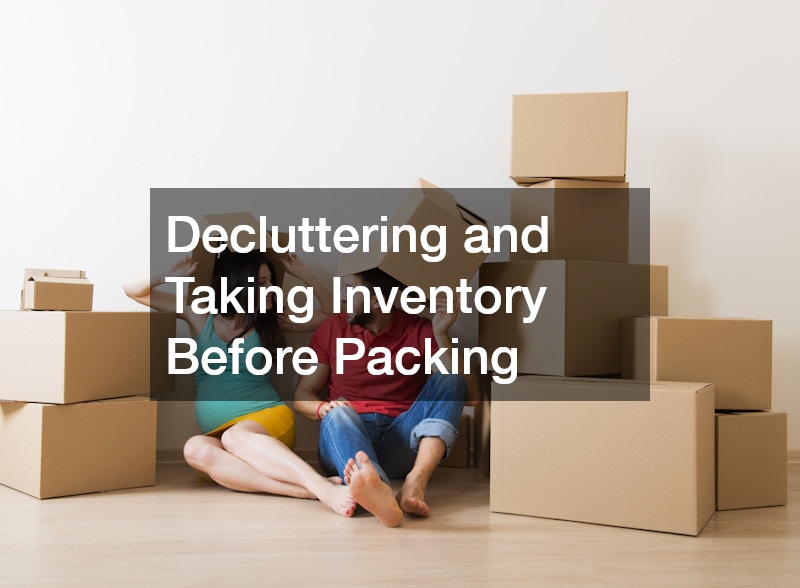
Decluttering and Taking Inventory Before Packing
Another key part of how to prepare for a move is deciding what actually deserves space in the truck. Moving provides the perfect opportunity to sort through possessions and let go of items you no longer use, need, or love. Decluttering reduces packing time, lowers moving costs, and keeps your new home from becoming cluttered the moment you arrive.
Start early and work room by room. Create piles: keep, donate, recycle, sell, and discard. Sentimental items often slow people down, so schedule them for last, when you’ve built momentum. For furniture and bulky belongings, measure doorways and layouts in your new home — there’s no sense paying to move something that won’t fit.
Once you’ve pared down, create a home inventory. Record high-value items, take photos, and label boxes clearly by room and priority level. This step protects you in case of loss or damage and makes unpacking far easier. Decluttering isn’t glamorous, but it’s one of the most cost-effective ways to simplify your move — and it ensures you start your new life with only what truly matters. As you sort, ask yourself smart questions: When did I last use this? Does it still fit my lifestyle? Would I buy it again today? If the answer is no, it likely doesn’t deserve space.
Donate responsibly — shelters, schools, and local organizations often welcome gently used items. Sell higher-value possessions online or through yard sales to help offset moving expenses. Recycle outdated electronics or worn textiles thoughtfully rather than sending them straight to landfills. Packing becomes dramatically easier when unnecessary clutter is gone. Fewer boxes mean faster loading, less fuel, and easier organization in your new space. Your future self will thank you.
Comparing Professional Movers and Service Options
When learning how to prepare for a move, research matters — especially when choosing help. For many first-timers, hiring professionals provides peace of mind, but only if you choose wisely. Begin with recommendations, online reviews, and credentials. Verify insurance, licensing, and experience handling the specific type of move you’re planning.
Many people start by exploring local moving companies because they know the area, traffic patterns, and community expectations. During consultations, ask about availability, cancellation policies, liability coverage, and what is (and isn’t) included in the quoted price. Then compare that to quotes for local moving services, which may offer customizable packages tailored to apartments, condos, or single-family homes.
Request written estimates, clarify any fees, and ask about dispute procedures or claims processes. Reputable movers communicate clearly and never pressure you into rushed decisions. The more informed you are before signing paperwork, the smoother your experience will be once moving day arrives.
Look beyond price alone. The lowest estimate may exclude essentials like padding, mileage fees, or insurance coverage. Transparent movers explain costs honestly and provide itemized lists. Ask how crews are trained, how they handle fragile items, and whether background checks are performed. Clear answers indicate professionalism and reliability. Finally, discuss scheduling flexibility. Delays happen — weather, building restrictions, or elevator access can shift timing quickly. A dependable company collaborates, not complains.

Deciding What to DIY and When to Call for Extra Help
A big part of how to prepare for a move involves deciding what you’re comfortable handling on your own. Packing clothes and small household items may be straightforward — but loading heavy furniture, appliances, or fragile items can quickly become risky. Back injuries, damaged property, and strained friendships are common when DIY enthusiasm outweighs preparation.
That’s where options like labor only moving services make sense. These teams provide muscle and expertise without requiring you to hire a full moving crew or truck. You handle the transportation; they handle the lifting, loading, and unloading safely. This hybrid model is ideal for first-timers who want cost savings but still value professional support.
Think honestly about your physical abilities, available helpers, and schedule constraints. Saving money is important, but so is your health and the protection of your belongings. Choosing the right combination of DIY effort and professional help can deliver the perfect balance.
Consider your emotional bandwidth as well. Moving disrupts routines, work, and sleep. Outsourcing physically demanding parts allows you to focus on planning, paperwork, and family needs. DIY is rewarding — but professional reinforcement ensures safety, speed, and structure.
Planning for Longer Moves and Special Logistics
If your plans include traveling across state lines, how to prepare for a move looks slightly different. Distance introduces more risk, more coordination, and higher stakes. Weather, traffic delays, and overnight stops all become factors — and self-moving long distances can be exhausting and expensive when fuel, lodging, and time off work are considered.
In these scenarios, it’s worth consulting long distance movers who specialize in cross-country operations. They understand permitting requirements, scheduling logistics, and transportation insurance. Ask about tracking systems, delivery windows, and how they handle delays. A trustworthy company will walk you through expectations clearly.
Prepare early by minimizing unnecessary items, protecting valuables, and keeping essential documents, medications, and valuables with you. Create a “first-night box” containing bedding, basic toiletries, chargers, and clothing so you aren’t digging through sealed boxes in a new home after a long trip. Confirm arrangements at both locations — elevator reservations, parking permissions, and neighborhood restrictions. Longer moves succeed when every detail is coordinated thoughtfully.

Cleaning and Restoring Both Homes
Part of how to prepare for a move includes leaving your current home in good condition and arriving at a new one that’s clean and welcoming. Even if you’ve tidied regularly, moving furniture reveals dust, scuffs, and stains that were previously hidden. Security deposits, buyer satisfaction, and landlord relationships often depend on the condition you leave behind.
For heavily used carpets or stubborn odors, partnering with a carpet cleaning company can make a dramatic difference. Professionals use tools capable of removing deep-set debris that household vacuums simply miss. Meanwhile, wiping down cabinets, appliances, vents, and baseboards ensures nothing unsanitary is left for the next occupant.
Consider scheduling cleaning at your new home before arrival if possible. Moving into a clean, fresh space reduces stress and helps you feel settled faster. Clean environments also make unpacking easier since you won’t need to pause to scrub surfaces as you go. Deep cleaning symbolizes closure — one chapter ending and another beginning with a fresh start.
Preparing the Job Site and Supporting Your Crew
Move day can feel chaotic — trucks arriving, boxes everywhere, doors propped open, and foot traffic in and out. Understanding how to prepare for a move includes preparing the space where everyone will be working. Clear pathways, secure pets, set aside fragile items, and protect flooring where necessary. It also helps to designate an entry and exit route so people aren’t crowding the same doorway, and to label rooms in advance so boxes reach the right spaces quickly.
When crews or helpers are working for extended periods, providing sanitation access is a thoughtful and practical step. Solutions like portable hand washing stations help maintain hygiene, especially when water access inside the house is limited during transition. For larger properties or projects occurring outdoors, coordinating with a local porta potty rental service keeps the work moving smoothly and avoids unnecessary interruptions.
Offering water, light snacks, and clear communication also contributes to a safer, more efficient moving environment. Consider setting up a staging area outside so items can be organized before loading, and confirm parking arrangements with neighbors if needed. The more organized the site, the faster and safer the move tends to be. Prepared environments minimize stress for everyone involved — including you.

Handling Waste, Debris, and Final Disposals
Even well-planned moves generate unexpected waste — broken items, scrap materials, old furniture, and boxes that aren’t worth reusing. Knowing how to prepare for a move means planning for disposal rather than scrambling at the last minute.
For large quantities of debris, dump truck rental services can simplify hauling significantly. Instead of making multiple trips to local collection sites, a single rental allows you to consolidate waste safely and efficiently. Just be sure to separate recyclables, hazardous materials, and donation items according to local regulations.
Walk through the property before turning in keys. Look for forgotten items in closets, garages, sheds, and attics. Patch minor holes, remove nails, and sweep floors. A thoughtful exit leaves a positive impression — and helps ensure there are no disputes later. Renting roll off dumpsters can be a great assistance with removing the trash and disposable items you locate on your final walkthrough.
Responsible disposal ensures your move ends as well as it began — organized, intentional, and respectful of both properties.
Bringing It All Together
Learning how to prepare for a move is really about strategy — planning each step intentionally, using the right tools, and knowing when to call in support. First-time movers who embrace structure and preparation experience less stress, fewer surprises, and smoother transitions overall.
From timelines and budgeting to choosing the right services, organizing logistics, cleaning thoroughly, and handling disposal responsibly, each piece plays an important role. And with every move, you gain skills that make future transitions even easier.
Approach your move with patience, preparation, and flexibility, and you’ll discover that smart planning doesn’t just get you to your new home — it sets the tone for a confident, well-organized new beginning.

