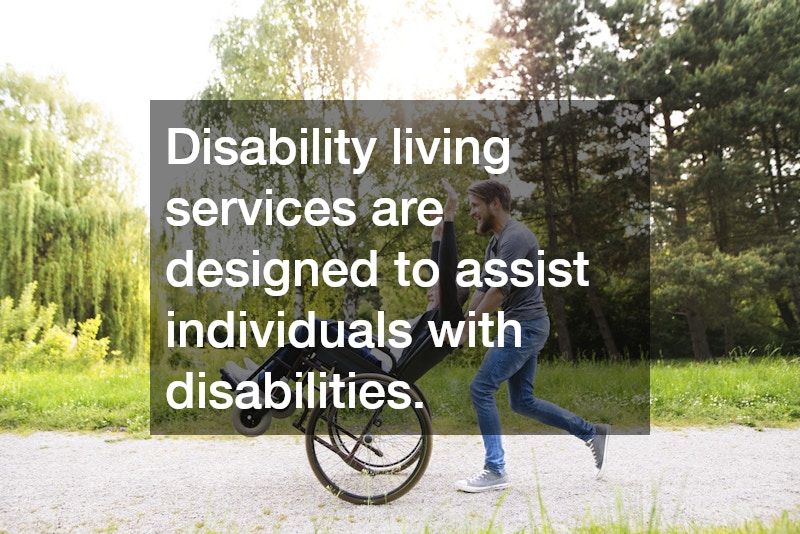
In today’s diverse society, creating inclusive communities is paramount. Community living services play a crucial role in ensuring that individuals with disabilities can participate fully in societal activities. This article explores how disability living services contribute to community inclusivity and addresses common questions surrounding their implementation and impact. These services are integral to dismantling barriers and promoting a fairer society where all members can thrive.
What Are Disability Living Services?
Disability living services are support systems designed to assist individuals with disabilities in living independently and participating in community life. These are specialized programs that offer tailored support to meet the diverse needs of those with physical, intellectual, and developmental disabilities. The core aim is to empower these individuals with the resources required to enhance their quality of life, while promoting self-sufficiency and integration into the community. The services provided are comprehensive, covering a wide spectrum of needs from daily living assistance to health and wellness programs. By addressing these needs, Disability Living Services act as a bridge between individuals with disabilities and the broader societal framework.
These services often include accessible housing, personal assistance, and transportation solutions tailored to individual needs. Accessible housing ensures that living spaces are designed or modified to accommodate the specific requirements of individuals with disabilities. Personal assistance services offer direct support for daily activities such as bathing, dressing, and medication management, focusing on promoting independence and dignity. Transportation solutions are vital, as they enable mobility and access to employment, healthcare, and recreational activities, which fosters community participation. Together, these components collectively enhance the capability and inclusivity of individuals, allowing them to lead fulfilling lives.
The delivery of these services involves collaboration between government agencies, non-profit organizations, healthcare providers, and community groups. Government agencies typically provide funding and policy direction, ensuring that programs align with national standards and objectives. Non-profit organizations often spearhead these initiatives, advocating for resources and creating programs that cater to specific community needs. Healthcare providers contribute their expertise by developing personalized care plans and addressing the health-related aspects of disability living. Community groups play a supportive role, promoting local engagement and raising awareness of the services provided, thus ensuring an integrated approach.
How Do Disability Living Services Benefit Communities?
By providing necessary support, these services help foster a more inclusive environment where everyone has the opportunity to contribute. An inclusive community benefits from diverse perspectives and talents, resulting in a rich tapestry of culture and human experience. Disability Living Services enable individuals with disabilities to share their unique insights and skills, thus enriching community interactions. Inclusion reduces social stigma, as visibility and participation break down misconceptions surrounding disability. Ultimately, these efforts cultivate a sense of belonging and equality, empowering all community members to work together towards shared goals.
Inclusive communities experience economic growth and social cohesion as more individuals participate in the workforce and community activities. When barriers to employment are reduced, individuals with disabilities contribute to the economy, resulting in increased productivity and economic diversity. Furthermore, the employment of individuals with disabilities can lead to innovation and problem-solving, as diverse teams bring varied perspectives and approaches. Socially, inclusivity fosters empathy and mutual support among community members, leading to stronger relationships and collaborative problem-solving. As a result, disability living services not only benefit those directly involved but also enhance the overall dynamism and resilience of the community.
Real-world examples demonstrate the positive effects of disability living services on communities and the people they serve. In one notable case, a city initiative focusing on accessible transportation enabled individuals with disabilities to commute independently and participate in community events, leading to increased civic engagement. Another success story highlighted a partnership between a local non-profit and healthcare providers, resulting in the establishment of a community center that offers vocational training and social activities for people with disabilities. These case studies illustrate that with the right support systems in place, individuals with disabilities not only contribute to society but also inspire others to see the potential in inclusivity. Sharing these success stories can encourage other communities to adopt similar programs and approaches. Ultimately, these real-world examples serve as compelling narratives that showcase the transformative impact of disability living services.
Challenges and Solutions in Implementing Disability Living Services
Despite progress, several challenges continue to limit the effectiveness of disability living services, including funding constraints, infrastructure gaps, and persistent societal attitudes. Insufficient funding often restricts the availability and quality of services. Infrastructure barriers, such as limited transportation options, further reduce access and participation. In addition, stigma and misconceptions about disability can discourage individuals from seeking support. Addressing these issues requires coordinated solutions, including policy reform, increased investment, and public education to create a more inclusive and supportive environment.
Collaboration and advocacy remain essential to promoting disability living services. Partnerships between governments, non-profit organizations, and private providers allow for shared resources and more sustainable solutions. Advocacy groups help shape policy, represent community needs, and promote legislative change, while public education initiatives work to shift attitudes and reduce stigma. Through collective action and inclusive planning, communities can strengthen disability living services and ensure long-term, meaningful support for all.
Creating inclusive communities through Disability Living Services is a continued effort that requires commitment from all societal sectors. By understanding and addressing the questions and challenges around these services, we can build a stronger, more equitable community for everyone. As community members, it is our collective responsibility to advocate for the rights and inclusion of all individuals, ensuring that nobody is left behind. Although challenges persist, the innovative solutions and collaborative efforts highlighted in this article demonstrate the potential for positive change. By prioritizing inclusivity, we can inspire a cultural shift towards embracing diversity and fostering a society that honors the contributions of all its members.