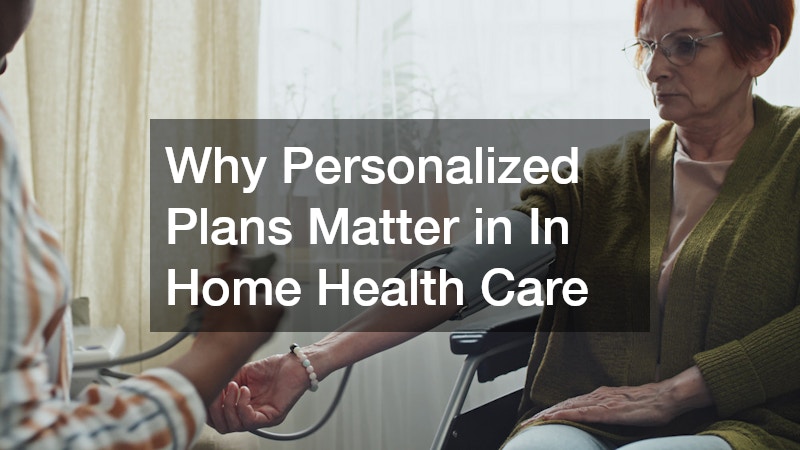

As healthcare continues to evolve, more families are turning to in home health care as a practical and compassionate alternative to institutional settings. Whether supporting seniors, individuals recovering from surgery, or those managing chronic conditions, care delivered at home offers comfort and familiarity. However, the true effectiveness of in home care lies in personalization. A one-size-fits-all approach simply doesn’t address the complex and unique needs of each individual.
Personalized care plans ensure that services are tailored, responsive, and aligned with a patient’s health goals, preferences, and lifestyle.
Creating customized strategies not only improves health outcomes but also enhances emotional well-being and independence. Below, we explore why individualized plans are essential and how they transform the overall care experience.
Addressing Unique Medical and Personal Needs
No two patients share the same medical history, living environment, or support system. Personalized plans in in home health care take into account detailed health assessments, physician recommendations, medication schedules, mobility limitations, dietary restrictions, and cognitive conditions. By carefully evaluating these factors, caregivers can design a plan that directly addresses specific medical concerns rather than applying generalized solutions.
For example, a senior recovering from hip surgery may require physical therapy exercises, fall-prevention adjustments around the house, and assistance with bathing. Meanwhile, someone living with diabetes might need blood sugar monitoring, nutritional planning, and medication reminders. Personalized care ensures each patient receives exactly what they need—no more and no less.
Beyond medical considerations, individualized plans also account for daily routines and personal preferences. Some patients prefer morning assistance, while others require more help in the evening. Cultural background, language preferences, and even hobbies can influence how care is delivered. When caregivers respect these details, patients feel heard and valued. This attention to individuality strengthens trust and fosters a more cooperative relationship between patients and care providers.
Promoting Independence and Quality of Life
One of the primary goals of in home health care is to help individuals maintain as much independence as possible. Personalized care plans are crucial in achieving this balance between support and autonomy. Instead of taking over tasks completely, caregivers can provide targeted assistance that empowers patients to participate in their own care.
For instance, rather than fully dressing a client who has limited mobility, a caregiver may guide them through adaptive techniques that encourage self-sufficiency. This approach maintains dignity and boosts confidence. Over time, even small acts of independence can significantly improve mental health and emotional resilience.
Personalized plans also contribute to a higher quality of life. When care is tailored, patients can continue engaging in meaningful activities—gardening, reading, social visits, or light exercise—that enhance overall happiness. In contrast, rigid care routines may limit these opportunities.
Additionally, in home health care provides the unique advantage of allowing individuals to remain in familiar surroundings. When combined with customized care strategies, this familiarity reduces stress and anxiety. Patients often recover more quickly and experience fewer complications when they feel safe and comfortable in their own environment.
Family involvement is another important component. Personalized plans often include input from loved ones, ensuring everyone understands the care strategy and can support it effectively. This collaboration creates a unified approach that reinforces consistency and stability.
Improving Health Outcomes Through Ongoing Adaptation
Health conditions change over time. Recovery progresses, chronic illnesses fluctuate, and new concerns may arise. Personalized plans in in home health care are designed to be flexible and adaptable, evolving alongside the patient’s needs.
Regular assessments allow caregivers and healthcare professionals to adjust treatments, therapies, and support levels. For example, if a patient regains strength after physical therapy, the plan can shift to focus more on independent movement and less on direct assistance. Conversely, if new symptoms develop, additional monitoring or specialized services can be integrated quickly.
This adaptability prevents small issues from becoming major complications. Early detection of changes in appetite, mobility, mood, or vital signs can prompt timely medical intervention. As a result, personalized in home health care often reduces hospital readmissions and emergency visits.
Furthermore, individualized plans encourage better communication among healthcare providers. Nurses, therapists, aides, and physicians can collaborate efficiently when there is a clear, customized roadmap guiding patient care. Everyone understands their role, and patients receive consistent, coordinated support.
Technology also plays a growing role in supporting personalized care. Remote monitoring tools, digital health records, and telehealth consultations allow professionals to track progress and make informed adjustments. When technology is integrated thoughtfully, it enhances—not replaces—the human connection at the heart of caregiving.
As families explore care options for their loved ones, it is essential to recognize that true quality lies not just in the services offered but in how well those services are customized. With thoughtful planning, ongoing evaluation, and compassionate delivery, in home health care becomes more than just assistance—it becomes a partnership dedicated to preserving comfort, health, and quality of life.
In a world where healthcare can often feel impersonal, personalized care plans remind us that every individual deserves attention that reflects who they are and what they need. That is why customized approaches will continue to shape the future of care at home.