
Everyone gets bored sometimes. You scroll your phone, open the fridge, close it again, and wander around the house wondering what to do next. Many people think the cure for boredom is spending money — shopping, eating out, or booking activities. But the truth is, boredom isn’t about a lack of options. It’s about a lack of stimulation, creativity, and mental engagement.
Free activities can actually be more satisfying because they engage your brain, body, and emotions in a deeper way. They help reduce stress, improve mental health, and bring a sense of purpose. You don’t need a budget to feel fulfilled — you just need ideas.
Below are meaningful, enjoyable, and practical things to do without spending money when you feel bored.
1. Take a Walk With a Purpose
Walking becomes boring when it has no direction. Turn it into a mini adventure instead.
Instead of pacing randomly, give yourself a mission:
- Find five things you’ve never noticed before
- Listen for new sounds around you
- Walk a route you’ve never taken
- Count how many dogs, birds, or trees you see
Purpose changes everything. Your brain switches from autopilot to curiosity mode. Even a familiar neighborhood starts to feel new.
Walking also improves circulation, mood, and focus. Many people report clearer thinking after only 10–15 minutes outside.
2. Rearrange a Room
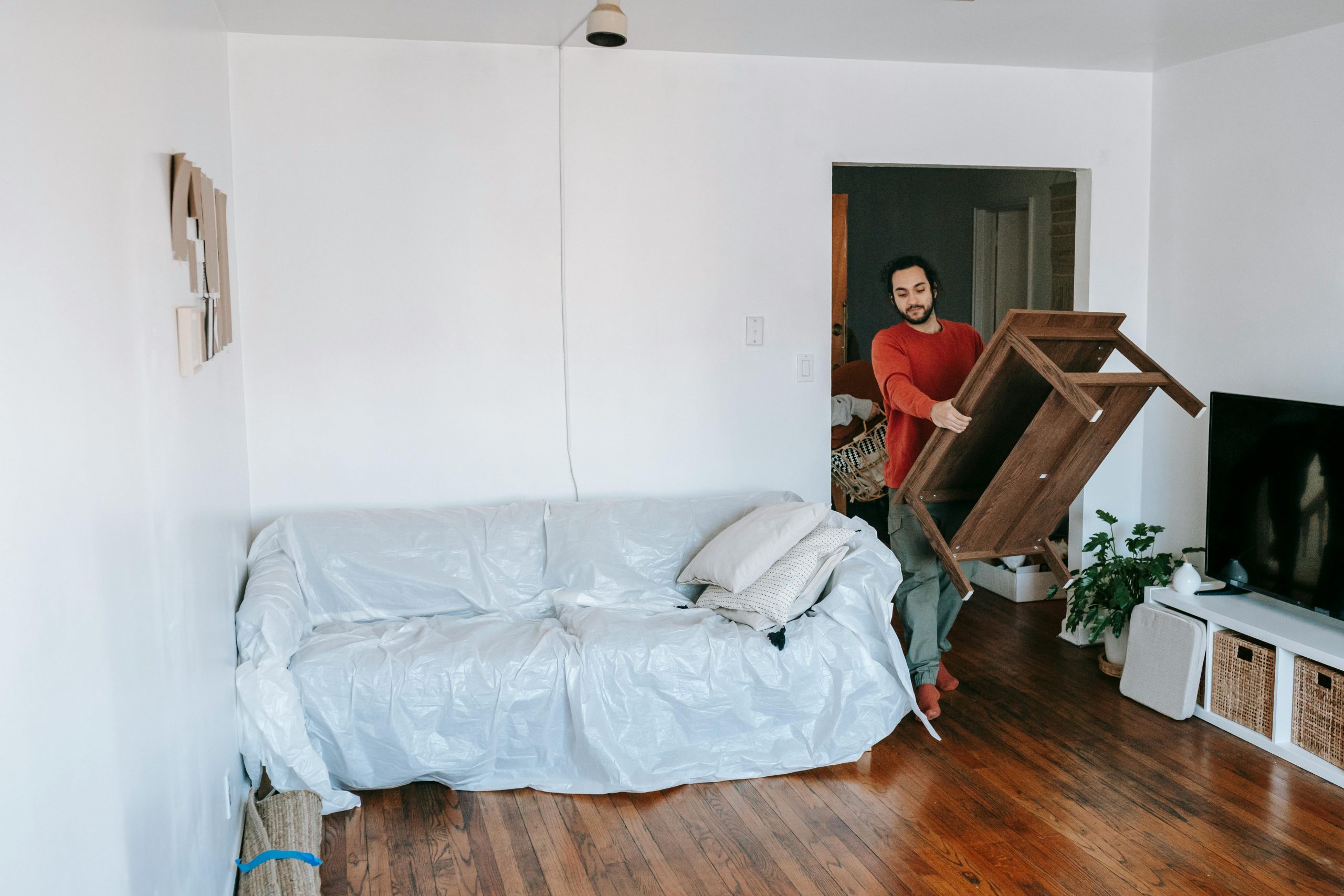
You don’t need new furniture to refresh your space. Moving what you already own can dramatically change how a room feels.
Try:
- Switching the direction of your bed
- Moving a lamp to another corner
- Decluttering surfaces
- Rotating decorations between rooms
Your brain loves novelty. Even small visual changes reset your attention and reduce mental fatigue. A refreshed environment often boosts motivation and productivity.
Bonus: You’ll probably discover items you forgot you had.
3. Start a “No-Phone Hour”
Boredom often comes from overstimulation. Endless scrolling exhausts your brain without satisfying it.
Set a timer for one hour and put your phone in another room.
During that hour:
- Sit with your thoughts
- Stretch
- Look outside
- Write
- Organize something nearby
At first it feels uncomfortable. Then your mind begins generating ideas again. Creativity returns when distractions disappear.
4. Clean Something Small
Cleaning sounds like work, but small cleaning tasks are surprisingly calming. They give quick results and a sense of control.
Focus on tiny areas:
- A single drawer
- Your backpack or purse
- Your desktop
- A shelf
- The inside of your car
Small wins release dopamine — the brain’s reward chemical. You’ll feel productive without exhausting yourself.
5. Write a Brain Dump
Grab paper and write everything in your head. No editing, no structure.
Include:
- worries
- plans
- random thoughts
- reminders
- goals
- frustrations
This clears mental clutter and reduces anxiety. Many people feel immediate relief because the brain stops trying to “hold onto” everything.
Afterward, you may naturally feel motivated to act on something you wrote.
6. Learn Something Random
You don’t need a course or purchase to learn.
Pick a random topic and research it:
- Why cats purr
- How clouds form
- The history of your town
- Body language psychology
- Memory tricks
Curiosity wakes up the brain. Learning releases dopamine similar to entertainment — but with longer lasting satisfaction.
7. Stretch Your Body
Boredom often hides physical restlessness. Movement wakes up your nervous system.
Try a 10-minute stretch routine:
- Neck rolls
- Shoulder circles
- Hamstring stretch
- Gentle twists
- Deep breathing
You’ll feel more alert and less stuck. Many people confuse boredom with low energy when they actually need movement.
8. Cook With What You Already Have
Instead of ordering food, challenge yourself to create a meal using only what’s available.
Ideas:
- Mix leftovers into a new dish
- Invent a sandwich combo
- Make a simple soup
- Bake basic bread
Creativity activates reward pathways in the brain. Even simple cooking can feel surprisingly satisfying when treated like a puzzle.
9. Declutter Digital Spaces
Your mind absorbs visual clutter — even on screens.
Organize:
- phone photos
- email inbox
- desktop files
- apps
- bookmarks
Delete unnecessary items and group the rest. A clean digital space reduces mental fatigue and improves focus.
10. Watch the Sky
This sounds simple but is deeply calming.
Spend 10 minutes:
- Watching clouds move
- Noticing colors at sunset
- Observing stars
Your brain shifts out of problem-solving mode into awareness mode. This reduces stress hormones and improves mood.
11. Create a Future List
Instead of a to-do list, make a “someday list.”
Write things you’d like to:
- try
- learn
- visit
- improve
No pressure, just possibilities. This builds motivation and gives boredom direction.
12. Call Someone You Haven’t Talked To
Human connection strongly reduces boredom and low mood.
You don’t need a reason. Just ask:
- “What have you been up to?”
- “Tell me something good that happened this week.”
Meaningful conversation stimulates your brain more than passive entertainment.
13. Practice Doing Nothing
True boredom is rare. Most people avoid silence.
Sit quietly for five minutes:
- No music
- No phone
- No tasks
At first, thoughts race. Then they settle. This trains your brain to tolerate stillness — a skill linked to better focus and emotional regulation.
14. Read Anything Nearby
Not every reading session requires a book.
Read:
- an old magazine
- instruction manuals
- product labels
- saved articles
The brain enjoys narrative and information. Even small reading breaks reduce restlessness.
15. Observe Your Surroundings
Pretend you’re visiting your home for the first time.
Notice:
- textures
- sounds
- smells
- patterns
This mindfulness exercise increases awareness and decreases mental autopilot.
16. Create a Mini Challenge
Challenges instantly make life engaging.
Examples:
- Balance on one foot for 60 seconds
- Memorize a short poem
- Do 20 squats
- Organize one category only
Small goals create motivation and satisfaction.
17. Draw or Doodle
You don’t need artistic skill.
Draw:
- shapes
- patterns
- random lines
- your hand
Creative movement reduces stress and increases focus.
18. Plan Tomorrow
Boredom often appears when your brain doesn’t have a clear direction. When nothing feels scheduled or meaningful, time seems to drag. Creating a simple plan gives your mind something to look forward to and reduces the stress of deciding what to do later. Even a tiny plan helps your brain feel prepared and purposeful instead of restless.
Write down just three things:
- One important task – something productive that moves life forward
- One enjoyable activity – a small reward you can anticipate
- One healthy habit – a positive action like stretching or drinking more water
You don’t need a long to-do list. A short, balanced plan works better because it feels achievable. This clarity helps your brain relax and focus, and anticipation replaces boredom. Instead of waking up unsure, you start the day with direction and motivation.
19. Practice Gratitude

Write three things you appreciate today.
They can be simple:
- good weather
- a meal
- a conversation
Gratitude shifts your brain from scarcity to satisfaction.
20. Organize a Small Area of Your Life
When boredom hits, you don’t need to overhaul your entire home or start a huge cleaning project. In fact, big tasks often feel overwhelming and make you procrastinate even more. A better approach is to focus on one small system you use every day. Small wins give your brain a sense of control and completion, which naturally lifts your mood and reduces mental clutter.
Try adjusting just one area:
- Reorganize your bag – remove trash, old receipts, and items you never use
- Prepare tomorrow’s clothes – choosing ahead of time lowers morning stress
- Prep breakfast items – set out dishes or ingredients for an easier start
- Tidy your workspace – clear surfaces improve focus and productivity
These small resets create immediate visual calm. When your surroundings feel orderly, your brain doesn’t have to process as much background information. That reduces mental overload and frees up attention for better thoughts, ideas, and relaxation. You’re not just cleaning — you’re giving your mind breathing room.
Why Free Activities Work Better Than Paid Entertainment
Paid entertainment can be fun, but it often works like a quick sugar rush — exciting at first, then gone just as fast. Streaming shows, shopping, or scrolling social media give instant stimulation without much effort from your brain. Because you’re mostly consuming instead of participating, your mind doesn’t stay engaged for long. That’s why you can finish a movie or an online shopping session and still feel restless afterward.
Free activities work differently. They activate deeper mental systems that make experiences feel meaningful instead of temporary. When your brain participates, it remembers, processes, and connects ideas — which naturally reduces boredom and improves mood.
Free activities engage:
- Curiosity – discovering something new triggers interest and motivation
- Creativity – making or imagining something builds satisfaction and pride
- Movement – physical activity boosts energy and mental clarity
- Connection – interaction with people improves emotional well-being
- Awareness – mindfulness calms the brain and lowers stress
Because these experiences involve effort and attention, the brain releases longer-lasting feel-good chemicals rather than short bursts of excitement. Instead of distracting yourself from boredom, you replace it with engagement. The result isn’t just passing time — it’s actually feeling refreshed, focused, and mentally satisfied.
Final Thoughts
Boredom isn’t a lack of options — it’s a lack of engagement. Spending money doesn’t fix that. Attention does.
The best things to do without spending money are simple actions that activate curiosity, movement, creativity, or connection. When you shift from passive consumption to active participation, time stops feeling empty and starts feeling meaningful.
Next time boredom hits, don’t reach for your wallet or endless scrolling. Reach for one small action. Often, that single step leads to energy, motivation, and enjoyment you didn’t expect.

