
Let’s explore the growing importance of energy efficiency in homes and why evaluations are becoming a crucial part of modern homeownership. In today’s world, where energy conservation and sustainable living are becoming increasingly important, homeowners are turning their focus toward ensuring their homes are energy efficient. An energy evaluation is not just about cutting costs, but about making a significant contribution to environmental preservation. This process helps homeowners understand their energy consumption patterns and identify areas for improvement. With the increasing impact of climate change, energy efficiency is not only beneficial but necessary.
1. What Does a Home Energy Efficiency Evaluation Involve?
Detail the steps and processes involved in a typical home energy efficiency evaluation. The evaluation usually begins with a thorough assessment of the home’s exterior to identify potential leakage areas. Inspectors will often use infrared cameras to detect heat loss, as well as blower door tests to measure the airtightness of the home. It includes a review of the heating and cooling systems, windows, insulation, and other energy consumption elements. The process concludes with a detailed report providing recommendations for improvements and upgrades.
Explanation of the tools and technology that assessors use during evaluations. Modern evaluations leverage a variety of sophisticated tools to provide precise results, such as infrared thermography, which helps visualize energy loss. Blower door tests are commonly used to pinpoint air leaks by simulating wind pressure and measuring the home’s draftiness. Duct blasters are another tool used to test for leaks in ductwork systems. Additionally, software tools analyze data to predict potential energy savings from various improvements.
2. Why is Home Energy Efficiency Important?
Discuss how improving energy efficiency can contribute to environmental conservation. By reducing energy consumption, homes can significantly decrease their carbon footprint, contributing to a healthier planet. Improving energy efficiency in homes helps lower demand on power plants, which reduces greenhouse gas emissions. It’s a proactive step against the ongoing challenges of global warming and climate change. Moreover, using less energy often means fewer natural resources are exploited, leaving a positive mark on environmental conservation.
Examine the potential cost savings for homeowners after improvements. Enhanced energy efficiency often results in lower utility bills, saving homeowners a significant amount of money over time. According to Energy Star, homes that have undergone efficiency improvements can save up to 30% on energy costs annually. These savings stem from reduced heating and cooling needs, efficient appliances, and better insulation. Over the long term, these reduced expenses can outweigh the initial costs of any upgrades.
3. How to Prepare for a Home Energy Efficiency Evaluation?
List the steps homeowners can take to prepare for an evaluation. Before scheduling an evaluation, homeowners should compile a list of existing issues or concerns related to their home’s energy use. This might include drafts, heating inefficiencies, or unusually high utility bills. Ensuring that areas like attics, basements, and crawl spaces are accessible will facilitate a more thorough inspection. Homeowners should also gather past utility bills to provide assessors with a comprehensive view of energy consumption. Lastly, identifying any recent changes to the home, like renovations or new appliances, can provide additional context for the evaluation.
Guidance on selecting a reputable and qualified energy evaluator. It’s crucial to select an evaluator with proper certifications and experience in conducting energy assessments. Homeowners can look for evaluators who are BPI (Building Performance Institute) certified, ensuring they have met rigorous industry standards.
4. What Are the Common Findings from an Evaluation?
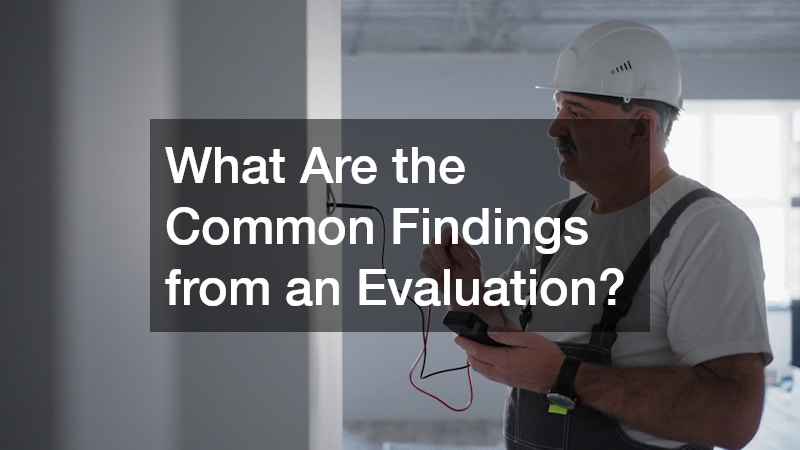
Identify common inefficiencies discovered during evaluations. One frequent issue is air leaks around windows and doors, leading to substantial energy loss and increased heating or cooling demands. Poor insulation in walls, roofs, and foundations is also a typical finding, as it can drastically impact a home’s ability to maintain a consistent temperature. HVAC systems that are outdated or improperly maintained often result in inefficiencies as well. Another common problem is the presence of inefficient lighting, such as traditional incandescent bulbs instead of LEDs. Finally, leaky ductwork is frequently highlighted as it can cause significant energy waste.
Provide examples of improvements typically suggested by evaluators. Evaluators often recommend sealing gaps and cracks to prevent air leakage, which is a cost-effective way to improve the home’s energy efficiency. Upgrading to modern, energy-efficient appliances and lighting can yield significant energy savings.
5. What are the Benefits Post Evaluation?
Discuss how energy efficiency improvements can add to home value. Homes that are certified energy-efficient often command higher market prices due to their appeal to environmentally conscious buyers. Energy upgrades can also enhance the property’s aesthetic and functional appeal, increasing its desirability. Potential savings on utility bills make energy-efficient homes more attractive in the real estate market. Improvements such as new windows, modern HVAC systems, and better insulation not only enhance comfort but add to the overall property value. Moreover, homes with higher energy efficiency ratings contribute positively to the wider adoption of green living practices.
Explore how changes post-evaluation can improve indoor living conditions. Homes with efficient insulation and sealed air leaks maintain a more comfortable indoor temperature year-round, eliminating drafts and uncomfortable hot or cold spots. Energy-efficient homes often experience better air quality as replacing old systems improves ventilation and reduces the presence of allergens. The quiet operation of modern HVAC systems also enhances the overall comfort by reducing noise pollution.
The conclusion will summarize the significance of performing a home energy efficiency evaluation and encourage homeowners to consider one for long-term benefits. Energy efficiency evaluations are integral to transforming a home into an energy-smart and sustainable living space. They not only identify existing inefficiencies but also provide actionable strategies to improve a home’s environmental footprint and financial performance. Investing in an energy evaluation is a step towards more sustainable living and ensuring comfort and value in one’s home. As concerns over energy consumption grow, making such improvements becomes not just a personal choice but a societal contribution. By embracing energy efficiency, homeowners can enjoy lower bills, improved home comfort, and a more sustainable future.