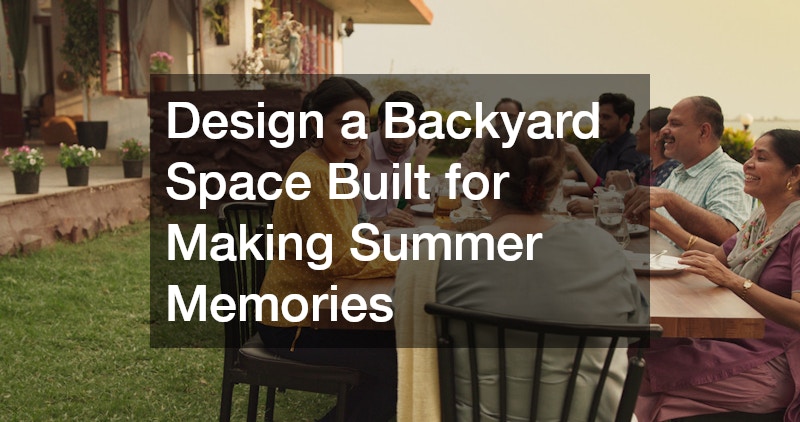

A backyard can become the most-loved part of a home during the summer months. It’s where kids play freely, families gather for meals, and everyday routines feel a little more relaxed. With a thoughtful approach, even a simple outdoor space can turn into a place that supports connection, fun, and a sense of calm.
Designing a backyard for family use isn’t about adding as many features as possible. It’s about creating a layout that works for your daily life. Spaces should feel easy to use, safe for kids, and simple to maintain. When everything has a purpose, the yard becomes more inviting and less overwhelming.
The goal is to strike a balance between structure and flexibility. Kids need room to move and explore, while adults often look for comfort and organization. By planning with both in mind, you can create an outdoor space that grows with your family and supports a full season of memories.
Start With a Layout That Supports Daily Family Life
A well-planned layout is the foundation of any successful backyard. Before making changes, take time to observe how your family already uses the space. Notice where kids tend to play, where you naturally gather, and which areas go unused.
Working with a landscape designer can help bring structure to your ideas. A professional can translate your needs into a layout that feels balanced and practical without overcomplicating the space.
Start by dividing the yard into zones based on daily activities:
- Open play area for running, games, and flexible use
- Seating area for relaxing or supervising kids
- Dining space for meals and gatherings
- Quiet corner for reading or downtime
Visibility is important, especially for families with younger children. Arrange zones so that play areas are easily seen from seating or dining spaces. This allows for supervision without hovering.
Keep pathways simple and intuitive:
- Make it easy to move between zones without obstacles
- Avoid tight or awkward transitions
- Use natural flow instead of forcing rigid divisions
Flexibility should guide your decisions. A space that can adapt to different activities will get more use over time. Leave room for change so the yard can evolve as your family’s needs shift.
Build Strong Foundations for Safe, Durable Surfaces
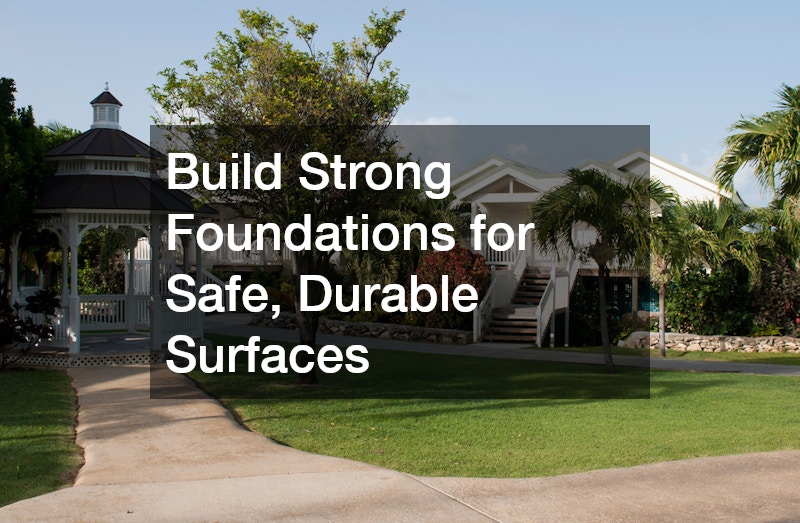
Ground surfaces play a major role in both safety and usability. Uneven or worn areas can limit how the yard is used and create unnecessary risks for kids.
Investing in proper paving helps create a stable and organized foundation. It defines walkways, keeps high-traffic areas from wearing down, and makes the yard easier to maintain.
Focus on key areas where durable surfaces matter most:
- Paths connecting different zones
- Spaces under seating or dining areas
- Areas near entrances or exits
Safety should always come first. Choose materials that are:
- Slip-resistant, especially when wet
- Smooth enough for bare feet
- Durable under heavy use
Temperature is another factor to consider. Some materials retain heat more than others, making them uncomfortable during peak summer hours. Look for options that stay cooler under direct sunlight.
Well-placed surfaces also help with organization. When walkways are clearly defined, foot traffic naturally stays where it should. This keeps grass and planted areas in better condition and reduces ongoing maintenance.
Create a Central Gathering Space for Family Time
Every backyard benefits from a central area where everyone can come together. This space often becomes the heart of outdoor living, whether it’s used for meals, conversations, or simply relaxing at the end of the day.
Working with custom deck builders can help you design a structure that fits your space and lifestyle. A deck creates a natural gathering point and adds a sense of structure to the yard.
When planning this area, think about how your family spends time together:
- Casual meals and snacks
- Weekend gatherings with friends
- Quiet evenings outdoors
Make the space comfortable and functional:
- Include enough seating for both family and guests
- Choose furniture that’s easy to clean and move
- Add shade options to make the area usable throughout the day
Built-in features can help keep things organized:
- Storage benches for toys or outdoor items
- Defined edges that separate the space from the rest of the yard
Keep the design simple. A clean, open layout allows for flexibility and prevents the area from feeling crowded. It also makes it easier to adjust the space for different occasions.
A well-designed gathering area encourages more time outdoors. It becomes a place where everyday moments happen naturally, with little planning.
Keep Trees Healthy, Shaded, and Family-Friendly
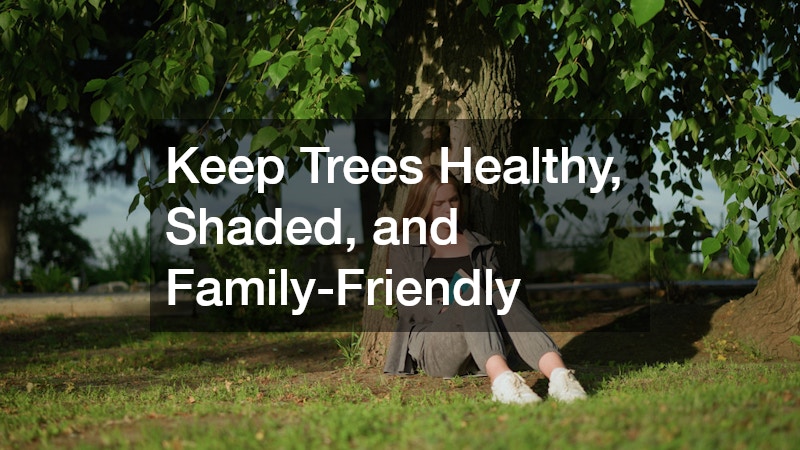
Trees can transform a backyard by adding shade, comfort, and visual interest. They create natural gathering spots and make outdoor spaces more enjoyable during hot summer days.
To get the most out of them, regular maintenance is essential. A tree care company can help ensure that trees remain healthy, safe, and visually appealing.
Start with a basic evaluation of the trees in your yard:
- Look for dead or hanging branches
- Check for signs of disease or decay
- Identify areas where growth may be too dense
Proper care includes:
- Pruning to improve shape and structure
- Removing weak branches that could fall
- Allowing more sunlight to reach key areas
Shaded spaces are especially valuable for families. They provide relief from the sun and create comfortable spots for both play and relaxation.
You can use trees to define different parts of the yard:
- Create a shaded play area underneath larger trees
- Use clusters of trees to separate zones naturally
- Position seating areas where shade is consistent
Maintained trees also improve the overall appearance of the yard. They frame the space and make it feel more complete without requiring constant attention.
Add Lighting That Extends Fun Into the Evening
As the sun sets later in the summer, families often spend more time outdoors in the evening. The right lighting setup can extend those hours while keeping the space safe and comfortable.
Thoughtful landscape lighting keeps the yard functional after dark without feeling overly bright or harsh. The goal is to create a soft, welcoming glow that highlights key areas while maintaining a relaxed atmosphere.
Start with safety-focused lighting:
- Illuminate walkways and transitions between surfaces
- Add lights near steps, edges, and entrances
- Make sure frequently used paths are easy to see
Once safety is covered, layer in ambient lighting:
- String lights over seating or dining areas
- Low-level lights around gathering spaces
- Subtle uplighting to highlight trees or garden features
Energy efficiency matters for long-term use. Choose options that are durable and designed for outdoor conditions so they hold up throughout the season.
Keep the setup simple and intentional. Too many lights can make the space feel cluttered, while too few can limit usability. A balanced approach helps create an inviting environment where families can relax, play games, or enjoy quiet evenings together.
Make Exterior Surfaces Look Clean and Cohesive

The surfaces surrounding your backyard help frame the entire space. When they’re clean and consistent, the yard feels more organized and visually appealing. When they’re worn or mismatched, they can distract from even the best features.
Working with siding contractors can help address issues with exterior walls facing the backyard. Fresh, well-maintained surfaces create a strong backdrop that ties everything together.
Start by identifying problem areas:
- Faded or peeling finishes
- Visible dirt or buildup
- Sections that don’t match the rest of the home
Color plays a role in how the space feels. Neutral, cohesive tones tend to create a calmer environment and allow outdoor features to stand out naturally.
Pay attention to how different elements connect:
- Match tones between the home exterior and outdoor structures
- Keep trim and accents consistent
- Avoid mixing too many contrasting finishes
When exterior surfaces look clean and intentional, the entire backyard benefits. It creates a polished look that feels complete without requiring major renovations.
Define Boundaries While Keeping the Space Inviting
Clear boundaries help a backyard feel safe and organized, especially for families with young children or pets. At the same time, the space should still feel open and welcoming.
Adding or updating fencing can strike that balance. It provides structure without detracting from the yard’s overall flow.
Start by thinking about your priorities:
- Safety for children and pets
- Privacy from neighbors
- A clean, finished appearance
Choose a style that complements the home and surrounding space:
- Simple wood designs for a warm, natural look
- Clean-lined options for a more modern feel
- Open styles that maintain visibility while defining space
Function matters just as much as appearance:
- Make sure gates open and close easily
- Check that latches are secure and reliable
- Keep lines straight and panels aligned
Well-placed boundaries can also help with organization. They create clear edges for play areas, gardens, and gathering spaces, making the yard easier to manage.
A thoughtfully designed fence adds a sense of comfort. It allows kids to play more freely and helps the entire space feel more contained without feeling restricted.
Turn Water Features Into a Summer Highlight

Water features naturally draw attention and become a central part of summer activity. Whether large or small, they can add excitement and help keep kids engaged outdoors.
For families considering a larger addition, swimming pool installation can transform how the backyard is used. A pool creates a dedicated space for play, exercise, and relaxation.
Before moving forward, think through a few key factors:
- Available space and layout
- Safety measures such as covers or barriers
- Ongoing maintenance requirements
Once a pool is in place, regular care is essential. Pool services can help keep everything clean and functioning properly so the space stays enjoyable throughout the season.
Daily upkeep can include:
- Removing debris from the water
- Checking chemical balance
- Keeping the surrounding areas clean and organized
Beyond maintenance, presentation matters. A simple setup around the pool can make it more inviting:
- Comfortable seating nearby
- Clear paths for easy access
- Minimal clutter to keep the area open
Even smaller water features can add value. Splash areas or simple setups can still create a fun environment for kids without requiring a full installation.
When water features are well-maintained and thoughtfully arranged, they become a highlight of the yard and encourage more time spent outdoors.
Add a Relaxation Zone for Parents and Family Time
While kids often take center stage in backyard design, it’s just as important to create a space where adults can unwind. A dedicated relaxation area helps balance the yard’s energy and provides a place to recharge.
Adding a hot tub can create a comfortable retreat that’s separate from active play zones. It offers a way to relax at the end of the day while still being part of the outdoor environment.
Placement plays a big role in how effective the space feels:
- Choose a location with a bit of privacy
- Keep it accessible from the house
- Position it away from high-traffic play areas
Enhance the area with simple touches:
- Add seating or a small table nearby
- Use plants or screens to create a sense of separation
- Keep the surrounding space clean and uncluttered
Safety should always be considered:
- Use secure covers when the tub is not in use
- Establish clear rules for children
- Keep pathways well lit and easy to navigate
A relaxation zone adds balance to the backyard. It creates a space for quiet moments while still keeping the focus on family connection.
Organize Outdoor Storage to Reduce Clutter
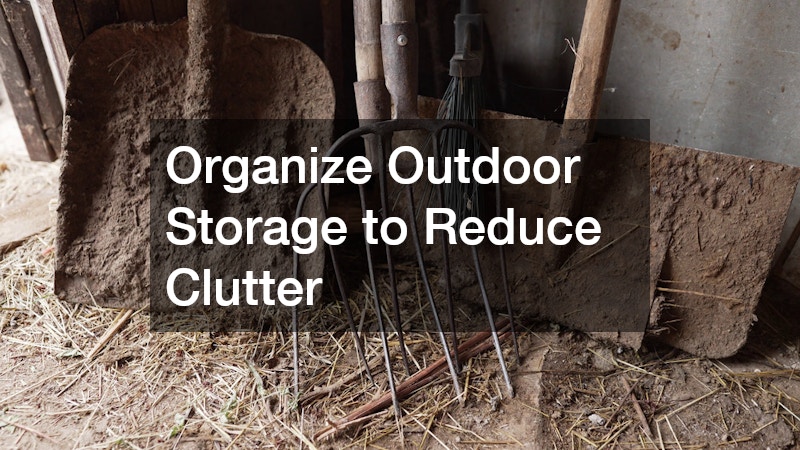
A backyard designed for family use can quickly become cluttered without proper storage. Toys, sports equipment, cushions, and tools tend to spread out, making the space feel smaller and harder to enjoy. Keeping everything organized helps maintain a clean look and makes daily use much easier.
Start by identifying what needs a designated place:
- Outdoor toys and games
- Gardening tools and supplies
- Pool accessories and towels
- Furniture cushions and seasonal décor
Once you know what you’re storing, choose solutions that are both practical and accessible:
- Storage benches that double as seating
- Deck boxes that protect items from weather
- Shelving inside a shed or garage
- Hooks or racks for frequently used items
Teaching kids to participate in cleanup can also make a big difference. When storage is simple and clearly defined, it becomes part of the routine rather than a chore.
An organized backyard feels more open and inviting. It allows each feature to stand out and keeps the focus on enjoying the space instead of managing it.
Add Simple Features That Encourage Daily Use
The most successful backyard designs are the ones that get used every day. You don’t need elaborate additions to make that happen. Small, thoughtful features can keep kids engaged and make the space feel fresh throughout the season.
Start by thinking about activities your family already enjoys:
- Outdoor games like catch, soccer, or tag
- Creative play with chalk, water, or simple toys
- Relaxed activities like reading or drawing outside
Variety helps keep kids interested. Rotating activities or introducing new ones over time can make the yard feel exciting without adding clutter.
Flexible seating is another helpful addition:
- Lightweight chairs that can move with activities
- Blankets or mats for casual lounging
- Small stools for kids to use as needed
Keep the design adaptable. A space that can shift from playtime to relaxation to entertaining will get more consistent use.
The goal is to make the backyard feel like a natural extension of daily life. When everything is easy to access and simple to enjoy, families are more likely to spend time outside without needing to plan around it.
A Backyard That Brings Everyone Outside
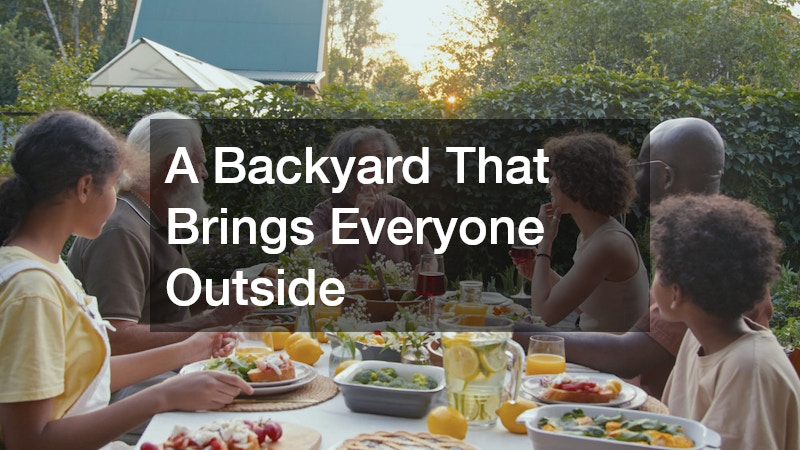
A well-designed backyard does more than look good. It creates opportunities for connection, play, and relaxation that fit naturally into everyday life. When spaces are thoughtfully arranged and easy to maintain, they invite people to step outside and stay awhile.
Each improvement, from layout planning to simple finishing touches, plays a role in how the yard functions. A clear structure helps keep things organized, while flexible areas allow the space to adapt as needs change. The result is a backyard that feels comfortable and welcoming for both kids and adults.
Focusing on usability makes all the difference. When outdoor areas are safe, clean, and ready to use, families don’t have to think twice about spending time there. Whether it’s a quick afternoon break or a full day of activity, the space supports it all.
With the right approach, a backyard can become a place where summer memories happen naturally. It doesn’t need to be complicated. It just needs to work well for the people who use it every day.

