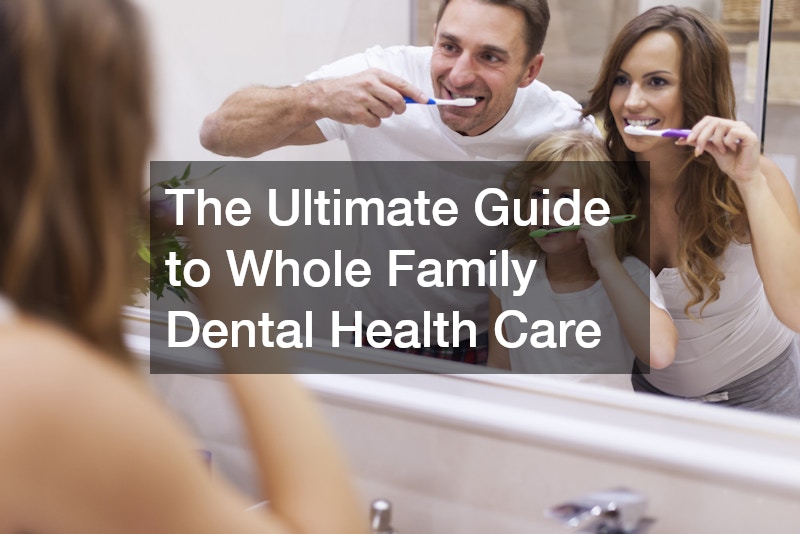

Maintaining a healthy, vibrant smile across every stage of life requires more than an occasional quick brushing session. From the emergence of a toddler’s first milk tooth to managing the complex oral care needs of aging adults, household dental health is an evolving journey. Treating oral care as a central pillar of total body wellness helps prevent painful emergencies, avoids costly restorative procedures, and ensures that every family member enjoys a confident smile.
Research consistently demonstrates that oral health is directly connected to systemic physical well-being. Chronic inflammation in the mouth can affect cardiovascular health, blood sugar regulation, and immune efficiency. Conversely, nutritional deficits and systemic conditions often show their earliest symptoms within the oral cavity. A proactive, multi-generational dental strategy protects your family’s systemic health while establishing lifelong hygiene habits for the youngest members of your household.
Establishing Early Habits from First Tooth to Teen Years
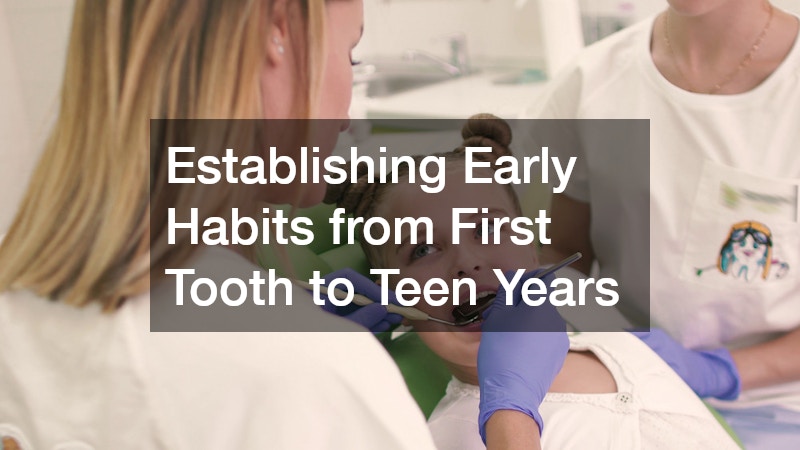
Building a strong foundation for lifelong oral health begins long before a child ever steps foot inside a school classroom. The primary teeth, often referred to as baby teeth, serve as critical space maintainers for permanent teeth, guide proper jaw structure development, and enable clear speech development. Neglecting primary teeth under the misconception that they simply fall out can lead to early tooth loss, alignment issues, and severe childhood discomfort.
Setting Up a Positive First Dental Experience
Children should have their initial oral wellness evaluation when their first tooth sprouts, or no later than their first birthday. Preparing a young child for this initial milestone requires gentle, positive reinforcement at home to ensure they view oral care as a normal, stress-free part of life.
-
Playful Preparation: Read picture books about dental visits or role-play checkups with stuffed animals at home so the process feels familiar and fun.
-
Morning Scheduling: Book appointments early in the day when toddlers are well-rested, fed, and naturally more cooperative.
-
Specialized Care: Consulting a trained pediatric dentist early ensures that your child’s dental development, jaw growth, and frenum attachments are monitored by an expert specializing in young oral anatomy.
Teaching Kids Proper Brushing and Flossing Routines
As toddlers transition into independent children, guiding their daily habits requires patience, structure, and supervisory involvement. Children typically do not possess the fine motor skills required to brush thoroughly on their own until they can comfortably tie their own shoelaces, usually around age seven or eight.
-
Use Visual Aids: Introduce two-minute sand timers, musical toothbrushing apps, or plaque-disclosing tablets that turn hidden plaque bright colors to show kids where they missed.
-
Introduce Fluoride Safely: Transition from non-fluoridated training paste to a tiny smear of fluoride toothpaste (the size of a grain of rice) for toddlers under three, expanding to a pea-sized amount for children aged three to six.
-
Build Flossing Habits: Introduce flexible flossing picks as soon as any two teeth touch each other. An experienced children’s dentist can demonstrate proper technique to prevent damage to delicate young gum tissue.
Navigating Pediatric Care and Early Prevention
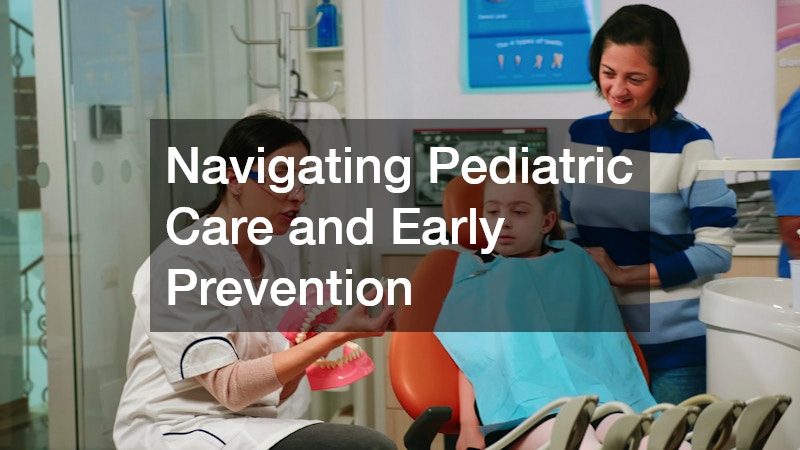
As children grow into active school-age kids and pre-teens, their dietary habits change, and their risk of dental decay and physical injury increases. School schedules, sports activities, and sugary snacks present new challenges to young enamel. Preventing issues before they start requires a combination of clinical intervention and proactive home safety measures.
Key pediatric milestones include getting that first early wellness check, applying sealants and fluoride during early grade school years, and moving into custom mouthguards or orthodontic evaluations during pre-teen and teenage years.
Protecting Young Enamel with Sealants and Fluoride
Newly erupted permanent molars have deep grooves and fissures on their chewing surfaces that easily trap microscopic food particles and bacteria. Standard toothbrush bristles are often too thick to reach into these tiny crevices, making back molars particularly vulnerable to cavities.
Application of dental sealants provides a protective barrier over these deep grooves. Sealants are clear or tooth-colored resin coatings applied to the chewing surfaces of permanent molars. The application process is completely painless, requires no drilling, and can reduce the risk of decay in molars by up to 80% over several years. Combining sealants with topical fluoride treatments strengthens enamel against acid attacks from everyday foods. Scheduling periodic evaluations with a trusted local kids dentist ensures these protective layers are checked and reapplied as needed during growth phases.
Handling Childhood Dental Emergencies at Home
Active children frequently experience minor bumps, falls, and sports-related oral injuries. Knowing how to react calmly and efficiently in the first few critical minutes can save a damaged or displaced tooth.
-
Knocked-Out Permanent Tooth: Pick up the tooth by the chewing crown only, never touching the root. Gently rinse it with milk or saline solution if dirty—do not scrub it. Attempt to place it back in the socket if possible, or store it in a container of cold milk while traveling immediately to a provider.
-
Chipped or Fractured Tooth: Save any broken tooth fragments in clean water or saline. Have the child rinse their mouth with warm water, and apply a cold compress to the outside of the cheek to reduce swelling.
-
Severe Toothache: Gently floss around the affected tooth to rule out trapped food debris. Avoid placing aspirin directly on the gums, which causes chemical burns, and give age-appropriate pain relief as directed.
Having the direct contact details of your designated pediatric dentists office saved in your phone ensures you receive rapid instructions during urgent off-hours situations.
Streamlining Household Appointments and Routine Maintenance
Managing healthcare appointments for a busy family can feel like a full-time logistical puzzle. Between work commitments, school schedules, and extracurricular activities, preventive healthcare often gets pushed to the background. Streamlining your family’s oral care schedule improves consistency and ensures no member of the household falls behind on routine checkups.
Key preventive habits for every family include bi-annual cleanings, annual digital diagnostics, daily morning and night brushing, daily flossing, drinking plenty of water, and routinely inspecting athletic mouthguards.
Finding the Right Practice Strategy for Busy Families
Choosing a practice model that aligns with your family’s lifestyle reduces scheduling friction and keeps routine preventive care on track. Families often choose between specialized pediatric clinics and single-location practice setups that treat all age groups under one roof.
-
Block Scheduling Benefits: Look for practices that offer back-to-back or simultaneous appointments for multiple family members. This allows parents to get their cleanings done while their children are being examined in adjacent rooms.
-
Comprehensive Medical History: Maintaining care within a long-term professional setting allows your local dentist to track genetic trends, such as enamel thinness or jaw misalignment, across sibling groups.
-
Consistent Administrative Tracking: A consolidated practice keeps insurance claims, preventive care reminders, and diagnostic records organized in a single master profile.
Customizing Preventative Checkups Across Generations
Preventive dental appointments are never “one size fits all.” A routine visit is customized based on biological age, medical history, and specific risk factors present in the patient’s mouth.
Young children typically focus on jaw development and cavity prevention using sealants and fluoride. Teens benefit from monitoring wisdom teeth and athletic protection. Adults require close monitoring of early gum inflammation and old restoration wear. Seniors need targeted focus on root decay, dry mouth management, and prosthetic fit.
Regular visits with experienced family dentists ensure that every age group receives tailored care while maintaining a unified, convenient preventive routine.
Protecting Adult Smiles with Gum Care and Aesthetic Treatments
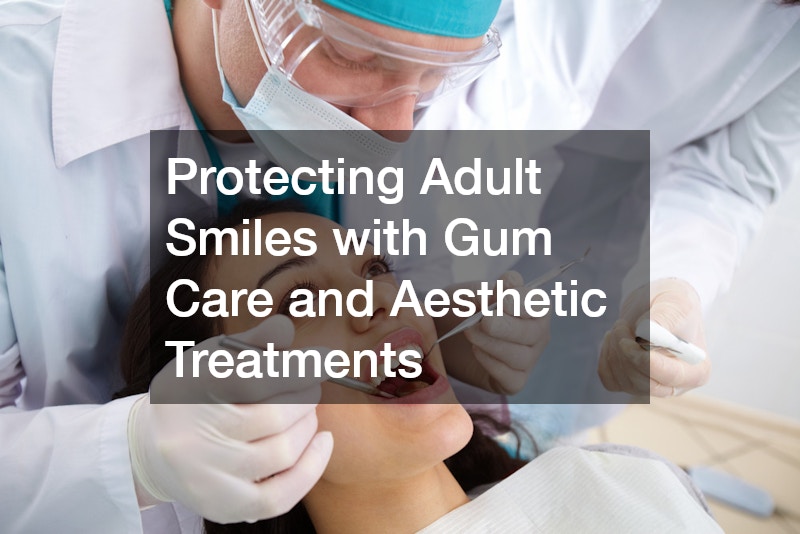
As adults navigate career, family, and aging, their dental needs shift toward preserving existing tooth structure, defending surrounding support tissues, and maintaining visual smile confidence. Decades of chewing force, dietary exposure to acidic foods, and natural biological changes require deliberate maintenance routines.
Understanding gum disease progression helps adults catch issues early. Healthy gums remain firm and pink without bleeding. Unchecked plaque leads to gingivitis, marked by redness and bleeding, which is still fully reversible. Left untreated, it advances to periodontitis, causing deep pockets, bone loss, and potential tooth loss.
Preventing and Managing Early Stages of Gum Disease
Periodontal health—the status of the gums, ligaments, and bone holding teeth in place—is the true foundation of adult oral care. While cavities affect individual teeth, gum disease threatens the structural stability of the entire arch.
The earliest stage of gum disease, known as gingivitis, is marked by red, swollen gums that bleed during brushing or flossing. Gingivitis is completely reversible with improved home hygiene and professional cleanings. However, if unmanaged, it can progress to periodontitis. In this stage, bacteria invade beneath the gum line, destroying supportive bone and causing gums to pull away from the teeth.
Key strategies to defend adult gum health include:
-
Targeted Flossing and Irrigation: Use string floss daily or introduce water flossers to wash out microscopic bacterial buildup from deep gum pockets.
-
Recognizing Systemic Stressors: Conditions such as type-2 diabetes, hormonal shifts, chronic stress, and smoking dramatically accelerate gum inflammation.
-
Seeking Specialized Care: If deep pockets form around teeth, undergoing targeted periodontal care—such as scaling and root planing (deep cleanings beneath the gum line)—is vital to stop bone loss.
Restoring Brightness Safely Without Damaging Enamel
Over time, natural enamel absorbs dark pigments from everyday beverages like coffee, tea, red wine, and certain foods. While tooth discoloration is natural, many adults seek visual enhancements to brighten their smiles.
Safe, effective enamel brightening requires balancing visual goals with enamel protection:
-
Identify the Source of Staining: Extrinsic stains sit on the outer surface of teeth and respond well to whitening. Intrinsic stains, caused by trauma, medications, or deep enamel thinning, require alternative cosmetic solutions.
-
Avoid Over-the-Counter Abrasives: Charcoal pastes and DIY baking soda scrubs can strip away protective enamel, exposing darker dentin underneath and permanently increasing tooth sensitivity.
-
Opt for Professional-Grade Protocols: Custom-fitted whitening trays provided by a dental team ensure that whitening gels stay evenly spread against enamel while protecting delicate gum tissue from chemical irritation. Following professional teeth whitening guidelines minimizes post-treatment sensitivity and protects tooth structure.
Restorative and Specialty Care for Long-Term Confidence
Later life stages and structural wear often require advanced restorative care. Modern restorative options focus on preserving healthy natural tissue while rebuilding full chewing function, comfortable speech, and structural integrity.
Different restorative solutions serve specific purposes. Minor chips and small gaps respond well to cosmetic bonding, while major discoloration or shape adjustments benefit from veneers. Missing individual teeth are ideally replaced with dental implants, whereas widespread tooth loss across an entire arch is effectively managed with modern removable prostheses.
Choosing Safe Enhancements for Functional and Visual Improvements
Restorative adjustments should balance visual improvements with functional harmony. Misaligned bites or poorly contoured restorations can lead to jaw joint strain, headaches, and uneven tooth wear.
When considering structural or visual smile enhancements:
-
Prioritize Conservative Options: Choose treatments like composite bonding or conservative ceramic overlays that preserve as much natural tooth structure as possible.
-
Evaluate Your Bite Dynamics: Ensure that cosmetic alterations do not disturb your natural biting motion or put unnatural stress on adjacent teeth.
-
Work with Experienced Professionals: Consulting a local cosmetic dentist allows you to review digital mockups and tailored treatment options designed to restore both form and function.
Exploring Modern Options for Missing Teeth and Senior Care
Tooth loss in senior years can significantly impact diet, speech clarity, and self-esteem. Today’s restorative choices range from single-tooth implants to full arch prostheses designed for long-term comfort and stability.
For individuals missing multiple teeth, modern removable prosthetics offer comfortable, functional, and economical alternatives. Advanced materials allow for flexible, lightweight bases that adapt comfortably to natural gum contours without irritating soft tissues. Finding quality, affordable dentures allows senior family members to maintain nutritional health by eating a varied, healthy diet, while keeping their face fully supported and looking natural.
Proper maintenance of removable prosthetics includes:
-
Daily Cleansing: Brush prosthetics daily using a soft-bristle denture brush and non-abrasive cleanser. Standard toothpaste can create microscopic scratches where bacteria accumulate.
-
Overnight Soaking: Store prosthetics in plain water or a specialized soaking solution overnight to allow gum tissue to rest and recover.
-
Routine Professional Adjustments: As jawbone density naturally shifts over time, having prosthetics evaluated regularly ensures a snug, comfortable fit and prevents painful pressure sores.
Taking care of your family’s teeth requires a thoughtful approach that adapts as everyone grows. From a baby’s very first checkup to advanced restorative care for grandparents, proactive care makes a lasting difference.
When your family practices good habits at home—like daily brushing, flossing, and eating nutritious foods—and pairs them with regular professional checkups, you protect far more than just smiles. You build confidence, safeguard total body health, and prevent costly emergencies before they start. Investing in your family’s oral health today creates a lasting foundation for a lifetime of healthy, happy smiles.

